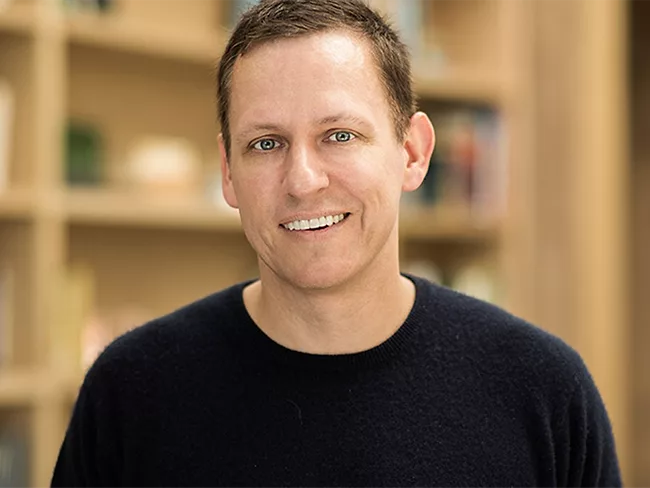
SANTA CLARA, Calif. – Peter Thiel is not a fan of incremental science. The high-profile venture capital investor, who invests across technology and the life sciences via various vehicles, including the Founders Fund, suggested that as academic and government bureaucracies have scaled up and rigidified over the last 50 or 60 years, that has eroded the ability of researchers to pursue innovative science.
SAN FRANCISCO – Guardant Health Inc. has set the standard for liquid biopsy. That success has catapulted the Redwood City, Calif.-based company from an IPO in the fall of 2018 to a current valuation in excess of $7 billion. It has made its name – and much of its revenue – with its Guardant360 test, a molecular diagnostic test that assesses 74 cancer-related genes from the circulating tumor DNA to aid in designing the best treatment for advanced cancer patients with solid tumors.
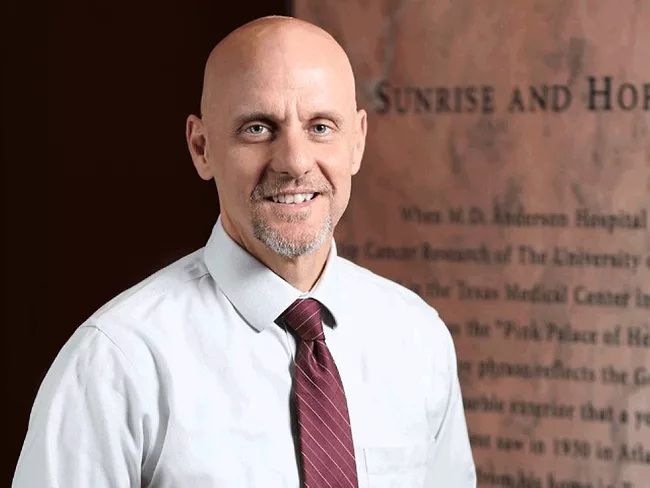
The U.S. Senate voted 72-18 to confirm Stephen Hahn as the commissioner of the FDA, providing the agency with another commissioner with a deep background in oncology. Hahn succeeds Scott Gottlieb, who stepped down from the post in April and returned to the American Enterprise Institute.
PARIS – Microlight3D SAS, based in La Troche, France, is about to receive a $900,000 grant from the EU to develop new 3D printer technology dedicated to treating acute wounds and chronic ulcers that do not heal. "It's about developing a novel process based on ion-releasing biomaterials promoting angiogenesis for skin regeneration," Denis Barbier, optoelectronics laser specialist and CEO of Microlight3D, told BioWorld.
LONDON – The future role of artificial intelligence (AI) in health in the U.K. was cemented recently with the announcement of £250 million (US$301 million) in government funding to set up a dedicated AI laboratory that will work to systematically apply the technology and harness the benefits at a national level.
In retrospect, it seems inevitable that an algorithm would be appointed to a board of directors. Hong Kong-based Deep Knowledge Ventures named Vital (an acronym for Validating Investment Tool for Advancing Life Sciences) to its board five years ago and credits it with making better decisions than its fellow members, humans all.
PERTH, Australia – There is pervasive use of artificial intelligence and machine learning (AI/ML) across the health care industry in Australia, and excitement is building on the opportunities it offers to technologies and ultimately to patients, Ausbiotech CEO Lorraine Chiroiu told BioWorld.
Just as artificial intelligence (AI) becomes an ever-more common part of drug discovery, its potential role in clinical trials is slowly becoming more visible, too. Efforts to improve trial recruitment, efficiency and decision-making are underway at companies of all sizes as organizations look to better the oft-daunting odds of clinical success, industry executives told BioWorld.
By streamlining processes, cutting costs and improving data quality, artificial intelligence (AI) and machine learning can reduce clinical trial spend and speed time to market. The technology is showing up in a number of applications, from guiding recruitment to developing biomarkers to determine who will respond to certain treatments and driving cost efficiencies.

 RSS
RSS