PERTH, Australia – As of Feb. 12, Australia’s Department of Health confirmed 15 cases of novel coronavirus in Australia (five in Queensland, four in New South Wales, four in Victoria and two in South Australia). Of the confirmed 15 cases, five people have recovered and the others are in stable condition.
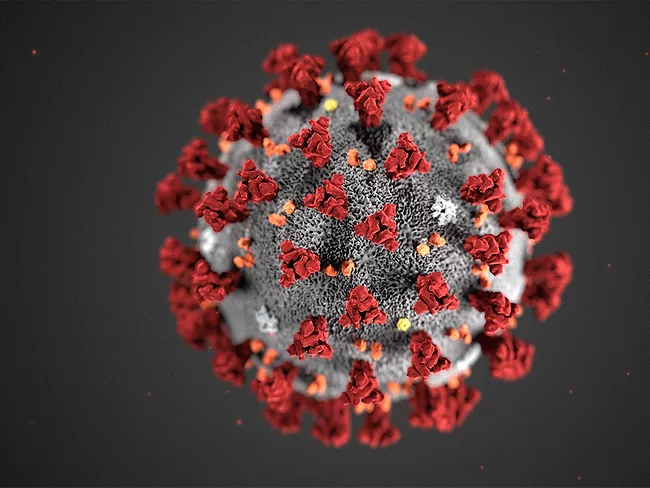
The latest mutation to the coronavirus, dubbed COVID-19, has sparked a reaction by many national governments, but the expense associated with development of vaccines and diagnostics is considerable. Ron Klain, who served as the Obama administration’s coordinator for the response to the Ebola virus, said during an Aspen Institute seminar that drug makers took a hit in their efforts to develop a vaccine for the Ebola virus, and thus there is a need to de-risk these and other development efforts in the private sector.
LONDON – As the death toll passed 1,000 and the number of confirmed cases reached 42,000, the World Health Organization on Feb. 11 convened 400 scientists at a global research and innovation forum to draw up an R&D blueprint for “pathogen X,” now officially named COVID-19.
In a budget proposal sure to spark opposition, the Trump administration has proposed to provide the National Institutes of Health with only $38 billion in fiscal 2021, several billion dollars short of the agency’s funding for the current fiscal year. The proposal also calls for funding of less than $95 billion for the Department of Health and Human Services, a 10% reduction in funding that includes an adjustment for drug pricing proposals and a $5 million cut to FDA monies for the 21st Century Cures Act.
For depression, and other mental health disorders, the era of precision medicine has yet to arrive.
Symptoms are “very poorly reflective of the underlying biology,” Amit Etkin told BioWorld. Depression can manifest through multiple different symptoms that differ both between and within cultures.
HONG KONG – A team of researchers at Hong Kong University of Science and Technology (HKUST) claim to have invented the world’s fastest portable 2019-nCoV diagnostic device. From sampling to testing, the device is apparently able to detect the novel coronavirus in just 40 minutes. In comparison, the polymerase chain reaction (PCR) technology that is currently in use can take between 1.5 to 3 hours. The device draws on the latest microfluidic chip technology from Shenzhen Shineway Hi-Tech Co. Ltd.
BEIJING – Share prices of Chinese biotechs that partner with Gilead Science Inc. have surged in China this week, after the U.S. firm’s remdesivir was identified as the most promising drug candidate to treat 2019-nCoV.
Lineage Cell Therapeutics Inc. CEO Brian Culley told BioWorld that concerns about the pace of the company’s dry age-related macular degeneration (AMD) phase I/IIa trial have been alleviated after an independent data safety monitoring board (DSMB) decreed that the study’s protocol-mandated treatment stagger can be removed.
The drug screens prompted by the SARS and MERS outbreaks have been useful for quickly identifying drug candidates. But in terms of their epidemiology, “SARS and MERS were different from this coronavirus,” Allison McGeer explained at a Feb. 3 webinar by Evercore ISI.
Touting the efforts his administration already has taken to lower U.S. prescription drug prices through increased competition, President Donald Trump placed the burden for further action squarely on Congress during his State of the Union address Tuesday, Feb. 4.
 RSS
RSS