AI and advanced biotechnology are reshaping South Korea’s med-tech sector, but great technology alone is not enough to build a successful medical device company, speakers said at MedTech Innovator’s Medtech Spotlight: New Impact Korea 2026.
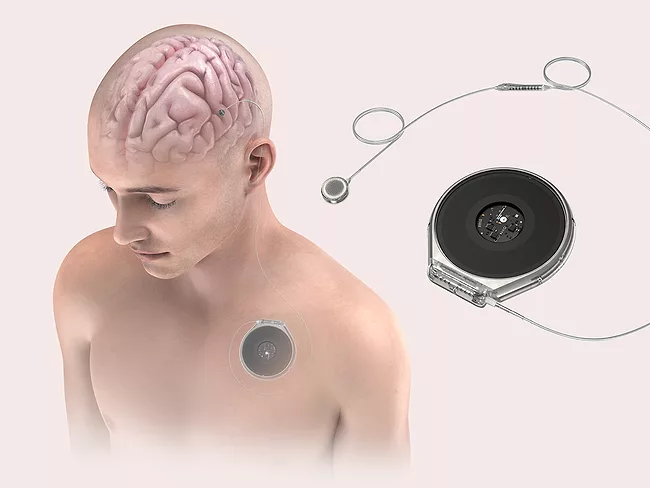
As the development of brain-computer interface (BCI) technologies gain momentum, Paradromics Inc. is building an ecosystem to enable collaboration between the company and academic researchers.
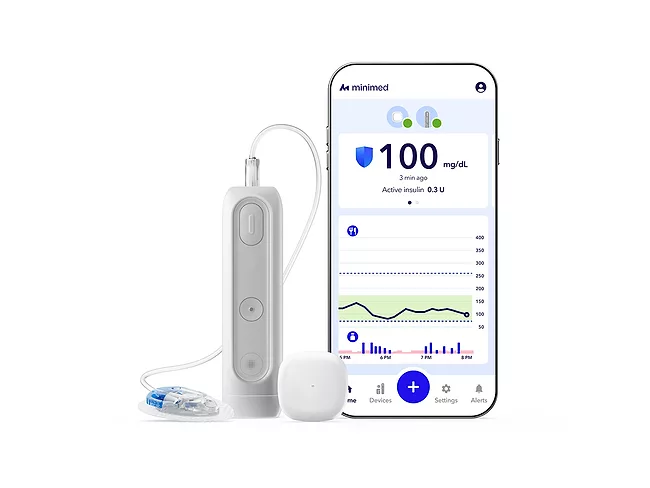
Minimed Group Inc. secured U.S. FDA approval for Minimed Flex, its next-generation discreet, smartphone-controlled insulin pump. The nod from the FDA follows the company’s debut on Nasdaq March 6. About half the size of the Minimed 780G pump and roughly the size of two stacked insulin vials, the screenless pump was designed in collaboration with people living with diabetes to offer a more intuitive, lifestyle‑friendly way to manage the condition.
Embecta Corp. agreed to acquire Owen Mumford Holdings Ltd. for up to £150 million (US$200 million) in a bid to boost its drug-delivery platforms and medical device technologies. Specifically, the deal will bring to Embecta’s portfolio Owen Mumford’s Aidaptus autoinjector, a two-step, single use platform designed to accommodate both 1-mL and 2.25-mL prefilled glass syringes in the same base device.
As AI continues to storm into global life, biopharma companies are figuring out ways to incorporate it into their operations, all with the goal of bringing better therapies to patients faster. At Pharma USA, a Reuters Events meeting in Philadelphia March 16-17, numerous AI companies presented their offerings to attendees, driving interest and partnerships.
Imperative Care Inc. secured $100 million through an oversubscribed convertible note financing round to support commercialization of its stroke and vascular thrombectomy technologies. The round was co-led by new investors Elevage Medical Technologies and Perceptive Advisors alongside existing investor Catalio Capital Management LP. Also participating were new backers Longaeva Partners LP and Brown Advisory, with continued support from existing investors, including Ally Bridge Group and Bain Capital Life Sciences.
Roche Holding AG received CE Mark approval for its Elecsys Apolipoprotein E4 (ApoE4) biomarker test, an in vitro diagnostic immunoassay to identify the ApoE4 gene variant from a blood sample. With APOE4 considered as the strongest genetic risk factor for developing Alzheimer’s disease, the test provides a fast, reliable way to determine whether an individual carries the genetic variant without the need for DNA‑based genotyping.
Amplifon SpA signed a definitive agreement with GN Store Nord A/S to acquire its entire hearing business for €2.3 billion (US$2.64 billion) on a cash-free and debt-free basis. The move by Amplifon will see it become a fully vertically integrated global player poised to transform the hearing care industry.
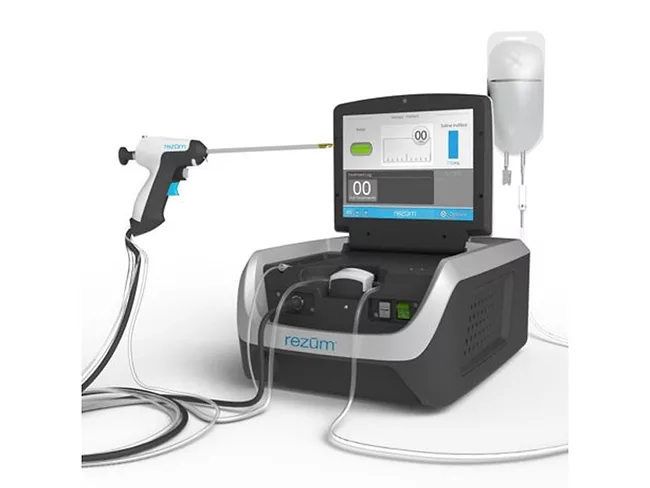
Boston Scientific Corp.’s Rezūm Water Vapor Therapy is superior at providing symptom relief for men with benign prostatic hyperplasia (BPH) than combination drug therapy, according to 12-month data from the Vapeur clinical trial. Patients treated with Rezūm, a minimally invasive therapy, also saw a better preservation of their sexual function.
 RSS
RSS




-biomarker-test.webp?height=488&t=1773783523&width=650 "Elecsys Apolipoprotein E4 (ApoE4) biomarker test")