Coming as no surprise, the U.S. Senate’s Feb. 13 confirmation of Robert Kennedy as the next secretary of the Department of Health and Human Services (HHS) did nothing to ease the uncertainty hanging over the FDA and other HHS agencies.
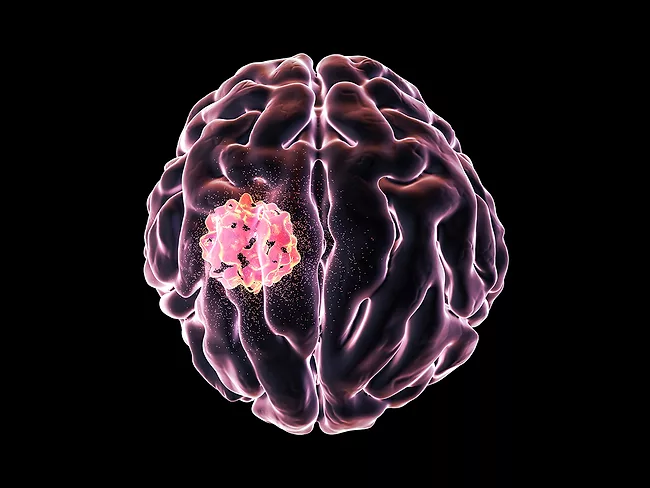
Radiopharm Theranostics Ltd.’s radiotracer RAD-101 (F18-Pivalate) successfully detected brain metastases in a variety of primary solid tumors in a phase II study.
In fiscal 2023, the NIH spent more than $35 billion on nearly 50,000 competitive grants to more than 300,000 researchers at more than 2,500 universities, medical schools and other research institutions across the nation. Of this funding, the NIH said about $26 billion was spent on direct research costs, while $9 billion was allocated to help cover “facilities and administration” through the agency’s indirect cost rate.
The immediate implementation of the U.S. NIH’s guidance to cut indirect costs included in its grants to 15% was quickly halted late Feb. 10 when a federal district judge granted a nationwide temporary restraining order in two separate challenges to the cuts that were to go into effect that day on all existing and new NIH grants.
The Biosecure Act may have died with the 118th U.S. Congress, but efforts to stop U.S. government funding of R&D in China are alive and well. Rep. Claudia Tenney, R-N.Y., introduced the Stop Funding our Adversaries Act in the House Feb. 7 to prohibit direct and indirect federal funding of research in China or entities owned by China.
From Feb. 10, the U.S. NIH is to cut the amount of its grants that go to indirect costs, in a move it says will save $4 billion per annum, but which scientists say will hit breakthrough biomedical research. The NIH announced the cut on Friday, Feb. 7, saying there would be a flat rate of 15% for indirect costs, such as running laboratories, buying and maintaining equipment, data processing and storage, across all of its grants. That compares to an average rate historically of between 27% and 28%, the NIH said.
In the early days of the second Trump administration, what will happen to various government science agencies is not yet clear. Given the communications blackout imposed on agencies including the NIH and the CDC, most of what is known comes from anonymous sources and secondhand reports. Executive orders affecting the agencies are also still in the process of being interpreted, as well as subject to multiple legal challenges.
For the pharmaceutical industry caught in the crosshairs of a potential trade war, the consequences of U.S. tariffs on China or Europe remain largely speculative, although both would be detrimental, according to a Korea Biotechnology Industry Organization (KoreaBIO) issue briefing Feb. 7.
“This current administration is like nothing that we've seen before,” said a managing partner of a global venture capital firm who spoke to BioWorld on the condition of anonymity. “President Trump’s first term was bad,” he said, “but nobody knows what’s coming.” “This is truly nationalism at its worst, because he won on the campaign [largely] to protect American jobs, claiming that Americans have been unfairly treated.” And it's not just China, he said, but India and other countries will also likely be affected.
Carrying out his campaign promises to reform government, President Donald Trump signed 46 executive orders (EOs) between Jan. 20-31 that have been published in the Federal Register. Of those, 26 were signed after noon and between all the inaugural events on Trump’s first day in office. Since then, he’s signed at least eight more orders, and the administration has issued numerous memos, several of which are intended to implement the EOs. Given the quantity, scope and content of the EOs Trump has issued over the past few weeks, it’s no surprise that they’ve generated controversy, a lot of uncertainty and at least a few court challenges.
 RSS
RSS