Roche Holding AG has agreed to acquire Pathai Inc. for up to $1.05 billion in a bid to strengthen its position in digital pathology and enhance its biopharma services. The move builds on a partnership established between the two companies in 2021, and expanded in 2024, to include the development of AI-enabled companion diagnostic algorithms.
Even before the U.S. FDA announced its one-day inspection pilot May 6, it already had test-flown 46 of the shorter inspections across several of its centers.
Star Sports Medicine Co. Ltd. debuted on the Hong Kong Stock Exchange with an HK$829.55 million (US$105.86 million) IPO May 5, with shares closing about 118% higher on the first day.
It’s a sure bet when the U.S. Trade Representative releases its annual Special 301 Report that Chile, China, India, Indonesia, Russia and Venezuela will be on the Priority Watch List. The 2026 report was no exception.
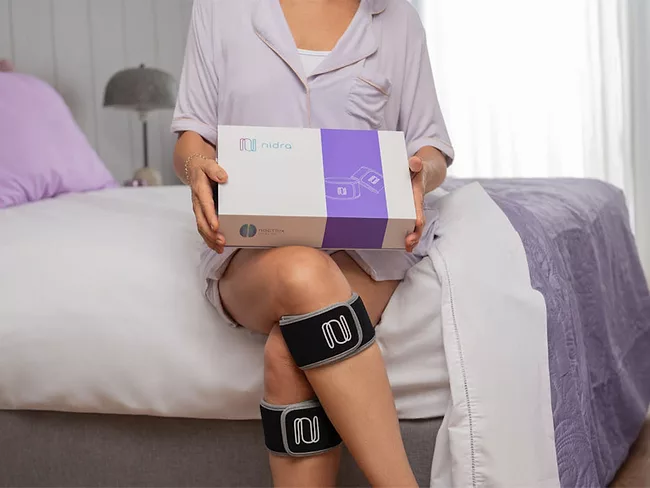
Resmed Corp. has agreed to acquire Noctrix Health Inc. for $340 million, boosting its sleep health portfolio. Noctrix has developed Nidra, a wearable neuromodulation device which treats restless legs syndrome (RLS) without disrupting sleep. With RLS impacting approximately 7% of adults globally, including about 17 million people in the U.S., the technology offers a non-drug option that could potentially treat a significant proportion of this patient population.
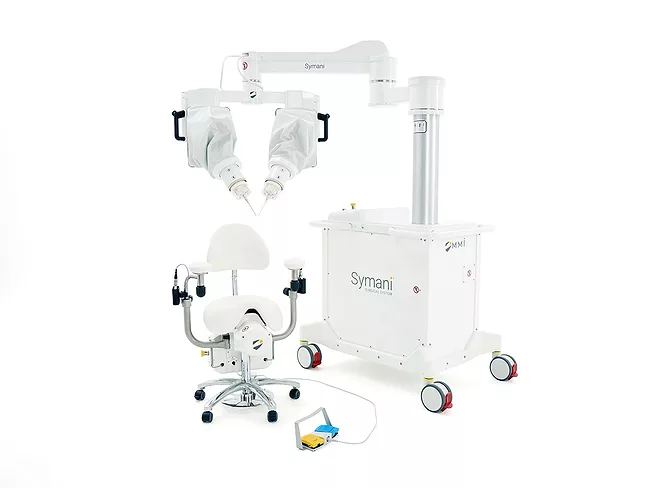
Medical Microinstruments Inc.’s (MMI) Symani surgical system was used to treat a patient with Alzheimer’s disease as part of a study evaluating robotic-enabled microsurgery for the condition. The procedure investigated whether restoring lymphatic drainage pathways in the deep cervical lymph nodes could improve the clearance of harmful neurotoxins believed to contribute to the progression of Alzheimer’s.
Sonire Therapeutics Inc. initiated a U.S.-based Sunrise II study of Suizenji, its novel ultrasound-guided high-intensity focused ultrasound (HIFU) system designed to ablate pancreatic tumors, after closing an $18 million series A financing round April 15.
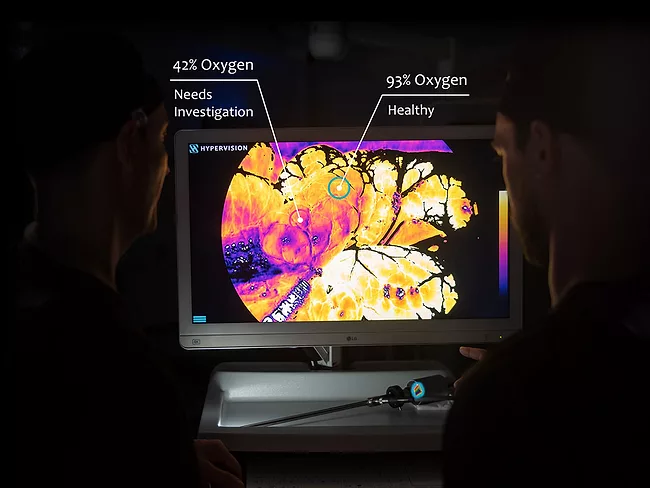
Hypervision Surgical Ltd. raised £17 million (US$23 million) in a series A financing round for its platform technology which combines spectral sensing with cloud-enabled AI analytics, to give surgeons real-time insights into tissue physiology during surgery that were previously impossible to see.
The European Medicines Agency (EMA) has launched a pilot program to fast track breakthrough medical devices in the EU and get lifesaving technologies to patients sooner. The program will allow for companies to obtain scientific advice from the expert panels intended to support evidence generation and clinical development of their devices.
Caredx Inc. has agreed to acquire Naveris Inc., a precision oncology diagnostics company, for up to $260 million, as part of its strategy to accelerate growth. The acquisition comes as Caredx, an organ transplant diagnostic firm, reshapes its portfolio, expanding its oncology profile while recently divesting its lab products business.
 RSS
RSS