Regulatory snapshots, including global submissions and approvals, clinical trial approvals and other regulatory decisions and designations: Bio-Techne, Egeneis, Icad, Magstim, Nevro, Organox, Philips, Quantalx.
Six main cell types form glioblastomas (GBM), the most aggressive brain cancer due to its high rate of recurrence. Of these six, quiescent cancer stem cells are responsible for resistance to therapy and the reappearance of the tumor, according to a study that identified the six groups and highlighted the importance of these stem cells for the design of more effective therapies.
Radiopharmaceutical biotech and contract development and organization firm Duchembio Co. Ltd. filed a securities report to South Korea’s Financial Services Commission Nov. 11, kickstarting the IPO process to list on the Korea Exchange.
Zap Surgical Systems Inc. reported closing a $78 million series E funding round led by Qingdao Baheal Medical Inc., with participation from other strategic investors. The new funds will be used to commercialize the company’s Zap-X gyroscopic radiosurgery platform for the non-invasive treatment of brain tumors.
Hyperfine Inc. gained CE mark approval for the latest generation of its artificial intelligence-powered software for its Swoop portable magnetic resonance imaging system, under the European Medical Device Regulation.
The U.S. Government Accountability Office has rejected an appeal by MCI Diagnostics Inc. regarding a contract bid with the Department of Veterans Affairs despite the company’s assertion that the VA pricing mechanism is flawed.
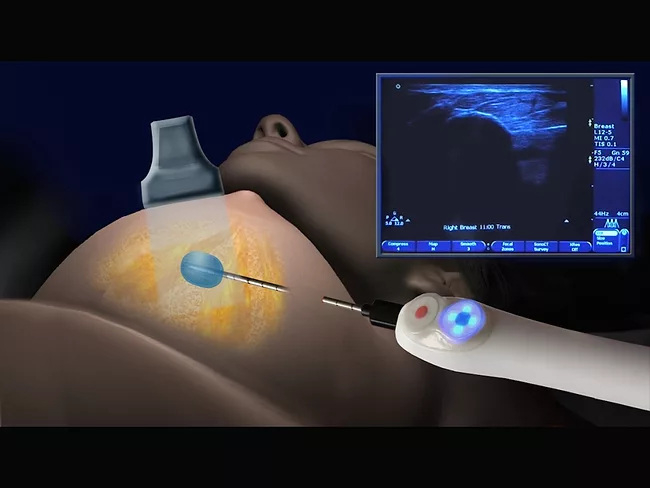
Early-stage breast cancer patients in the U.S. may soon be able to access another treatment regime based on the result of a Nov. 7 FDA advisory committee for the Prosense cryoablation system by Icecure Medical Ltd. The advisory committee voted 9-5 that the benefits of Prosense outweigh the risks, although the FDA has yet to decide on the application.
Ifast Diagnostics Ltd. raised $6.5 million (£5 million) in seed funding to bring its rapid Antimicrobial Susceptibility Testing (AST) platform to the market. The company’s technology is vital in the fight against antimicrobial resistance and the funds will be used to conduct clinical trials to get the product to the market in the U.K., U.S. and EU, CEO Toby King, told BioWorld.

 RSS
RSS