A recent retrospective cohort study of Insight MMG highlighted potential of Lunit Inc.’s artificial intelligence-powered breast cancer screening tool in detecting “subtle signs of cancer” earlier for women.
Early results from REFLECTION, a real-world study, mirrored results for Grail Inc.'s multi-cancer early detection (MCED) assay in clinical trials, according to a presentation at the 2024 Early Detection of Cancer Conference. The study, conducted at U.S. Department of Veterans Affairs (VA) sites, focuses on the real-world application of the Galleri test, which screens for multiple cancers in asymptomatic individuals.
Med-tech happenings, including deals and partnerships, grants, preclinical data and other news in brief: Abbott, Ad Astra Diagnostics, Adagio Medical, BD, Brixton, Croívalve, Deepc, EMA-Sleep, Inovedis, Intrinsic Therapeutics, Mölnlycke Health Care, Luxcreo, Pangea Biomed, Pillar Biosciences, Transdiagen, Ypsomed.
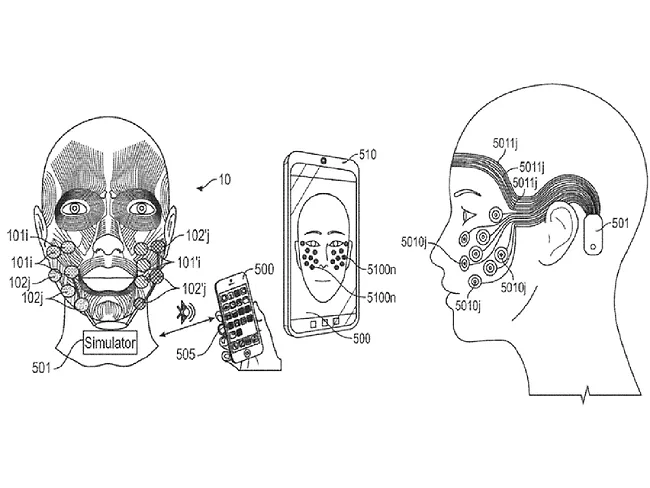
The first patenting from Neuro-Joy Ltd. details development of a device that electrically stimulates facial nerves and muscles in order to emulate a facial expression configured to ameliorate a mood disorder and improve symptoms of depression, anxiety and sleep disorders.
Scientists from different laboratories around the world have presented the latest advances in research into malignant brain tumors at the 31st Annual Congress of the European Society of Gene and Cell Therapy (ESGCT), which is being held Oct. 22 to 25 in Rome.
The Japanese government, industry and academia are deliberating health care policies and initiatives to boost Japan’s role in the future of regenerative medicine, experts at Bio Japan 2024 said, as the fruits of cell and gene therapy research come to fruition with new approvals.
The EU's regulatory crisis continues to roil relations between Brussels and stakeholders in the health care sector, and the European Parliament reacted with a message to the European Commission to revise the Medical Device Regulation.
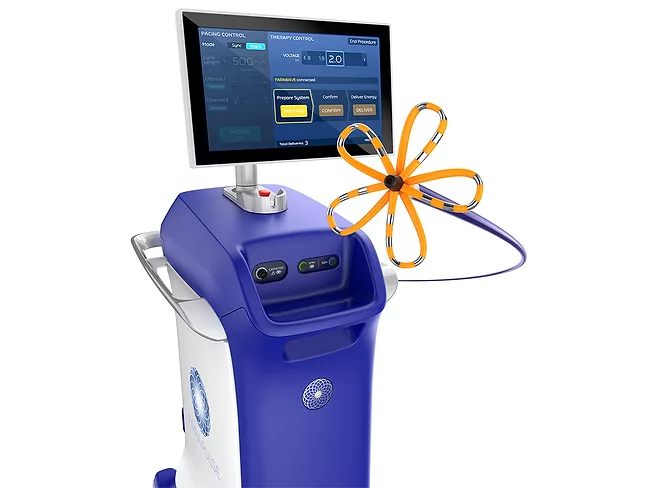
Boston Scientific Corp. posted another eye-popping quarterly report, led by a 177% year-over-year increase in its electrophysiology business to $527 million, which exceeded consensus expectations by $99 million. That stunning EP growth follows 125% growth in the second quarter and 70% in the first quarter, all largely attributed to the Farapulse pulsed field ablation system, which achieved unprecedented adoption rates.
 RSS
RSS