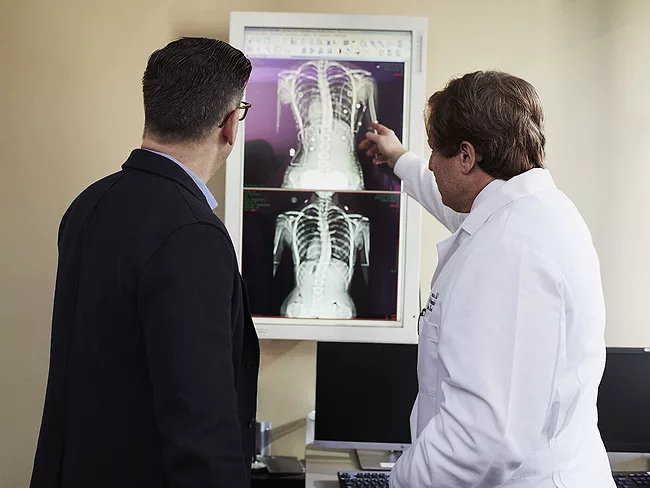
Qure.ai Technologies Private Ltd.’s Qxr artificial intelligence-powered chest X-ray interpretation system identified high-risk pulmonary nodules an average of 32 months before physicians diagnosed lung cancer, a study presented September 8 at the International Association for the Study of Lung Cancer 2024 World Conference on Lung Cancer in San Diego found.
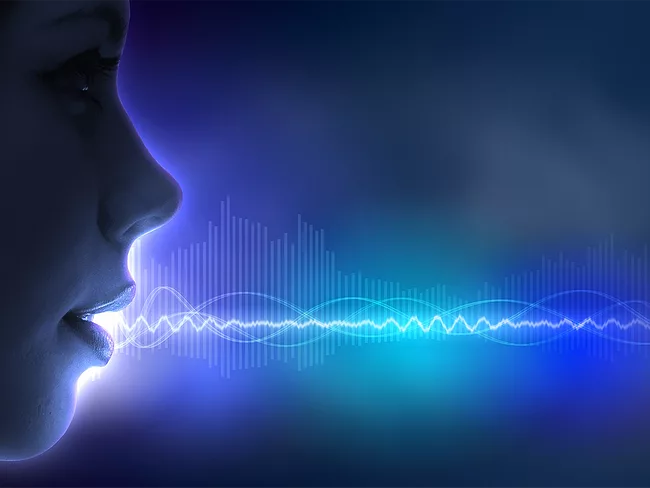
Researchers at Klick Labs Inc. reported using a person’s voice to predict chronic hypertension with a high degree of accuracy. Data published in IEEE Access, found the potential for advancing early detection of chronic high blood pressure, showcasing another novel way to harness vocal biomarkers for better health outcomes.
Med-tech happenings, including deals and partnerships, grants, preclinical data and other news in brief: 3comma Medical, Alex Therapeutics, Arctoris, Cellares, Dario, Flowphysix, Human Engineering Health, Medikana, Navamedic, Oura, Planatome, Royal Biologics, Royal Wound-X, Sony, Twill, Veri.
Regulatory snapshots, including global submissions and approvals, clinical trial approvals and other regulatory decisions and designations: 3D Systems.
By looking at the electrical activity of tumor cells, rather than the neurons that innervate them, investigators at Baylor College of Medicine have added both basic and translational insights to the emerging field of cancer neuroscience. In their studies, which were published in Cancer Cell on Sept. 5, 2024, the researchers identified the cell of origin for IDH-mutated gliomas.
Spectrawave Inc. surfed to a $50 million haul in its series B fundraising round for its Hypervue intravascular imaging system. The company appears to have captured the attention of at least one strategic investor, as Johnson & Johnson Innovation-JJDC Inc. led the round.
Data from the Drai Martini study shows that artificial intelligence is shaking up the analysis of electrocardiograms. Results presented at the recent ESC Congress 2024, demonstrated that an AI algorithm, Deeprhythmai, developed by Medicalgorithmics Sp zo.o., has significantly higher sensitivity than human specialists in detecting heart rhythm disorders on long ECG recordings.
 RSS
RSS