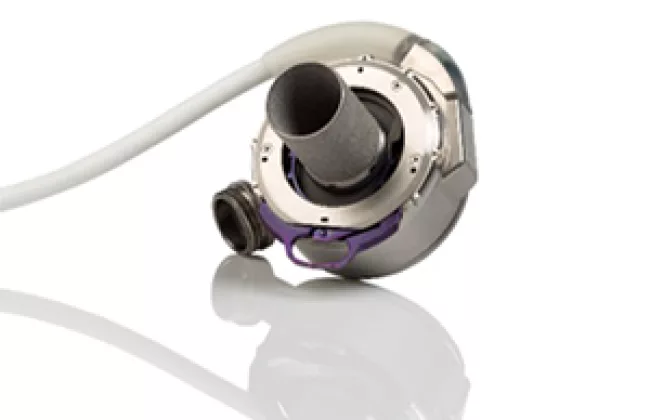
The U.S. FDA posted notice of a recall of the system monitor for the Heartmate left ventricular assist device by Abbott Laboratories, an action necessitated by reports of a series of malfunctions that may lead to inadvertent operator error.
After snaring the U.S. FDA’s approval for the Evoque tricuspid valve device, Edwards Lifesciences Corp. petitioned the Centers for Medicare & Medicaid Services for a national coverage determination for transcatheter tricuspid valve replacement devices.
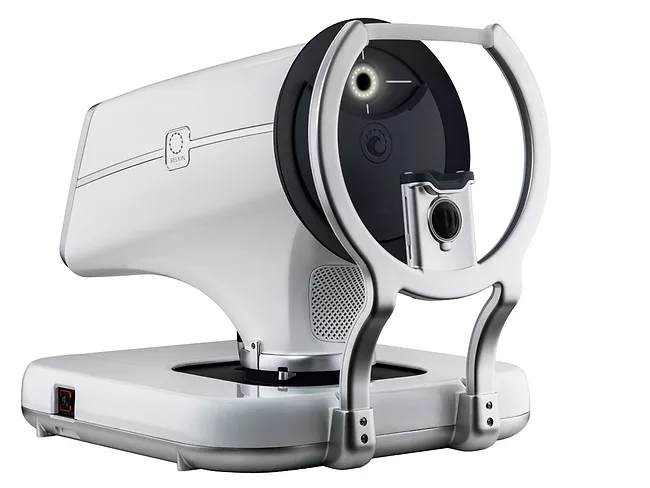
Alcon AG completed the acquisition of Belkin Vision Ltd. with an upfront consideration of $81 million with an additional $385 million in contingent payments. With the deal, Alcon gets its hands on Belkin’s U.S. FDA-cleared direct selective laser trabeculoplasty device, expanding its treatment options for patients with glaucoma.
Merit Medical Systems Inc. acquired the Esophyx Z+ device from Endogastric Solutions Inc. for $105 million in cash, adding a durable, non-pharmacological treatment for gastroesophageal reflux disease to its line-up of gastrointestinal products.
In a ruling delivered June 28, the U.S. Supreme Court brought an end to four decades of a practice of judicial deference to federal government agencies in litigation under the Chevron doctrine, a practice that some argue has enabled regulatory mischief.
Syntheticmr AB received CE marking for its next-generation brain imaging solution, SyMRI Neuro. The company hopes that version 15 of its SyMRI software, which provides quantitative data, automatic tissue segmentation and adjustable contrast weighted images from a scan, will transform diagnostic imaging.
A trio of regulators devised a series of good machine learning practices in 2021, a key point of consideration for many algorithms that will eventually be used in thousands of medical applications in the coming years.
 RSS
RSS