Med-tech happenings, including deals and partnerships, grants, preclinical data and other news in brief: Airs Medical, Curematch, Meihua, Positron, QHSLab, Quel Imaging, Qure.ai, Royal Phillips, Siemens Healthineers Soteria, Teladoc, Trinity Biotech, Tytocare, Vesiflo.
Regulatory snapshots, including global submissions and approvals, clinical trial approvals and other regulatory decisions and designations: Bracco Imaging, Edap Tms, Overture, Quantalx, Subtle Medical, Thermo Fisher.
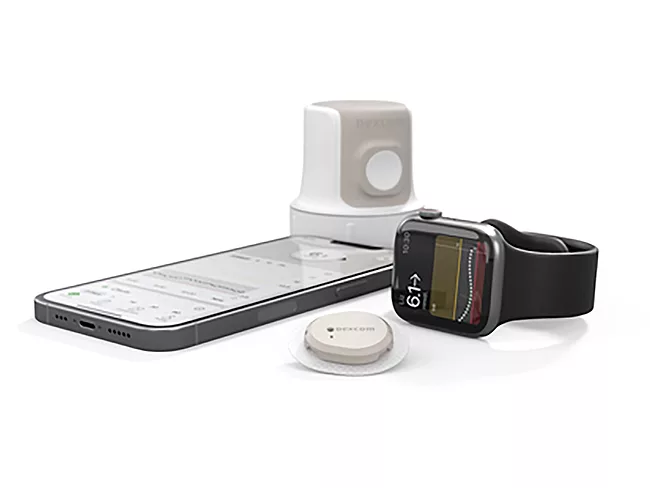
Dexcom Inc. received U.S. FDA clearance for its Smart Basal CGM-integrated basal insulin dosing optimizer. Designed for adults with type 2 diabetes using glargine U-100 long-acting insulin therapy, Smart Basal uses data from Dexcom’s G7 15 Day sensor with doses logged by the user to personalize recommendations and adjust long-acting insulin doses, with direction from the patient’s health care provider.
The recent strategic partnership Siemens Healthineers AG recently entered into with Boston Scientific Corp. to develop and commercialize an Acunav 4D intracardiac echocardiography catheter could drive “significant growth” for the company, Jochen Schmitz, CFO, at Siemens, told delegates at the Jefferies Global Healthcare Conference, in London.
The European Commission posted a series of proposed legislative updates, including the AI Act, which might not come into force for the med tech industry until August 2028 under the terms of this proposal.
Med-tech M&A activity cooled in October, with the total disclosed deal value reaching $1.68 billion, a step down from September’s $4.84 billion and well below several stronger months earlier in the year.

 RSS
RSS