Med-tech happenings, including deals and partnerships, grants, preclinical data and other news in brief: Allurion, Artella, Biomodal, Bluewhale, Co-Diagnostics, Curvafix, Evosep, Freenome, GE Healthcare, Nanopath, Prosurg, Roche, Volta Medical, Zymo Research.
Regulatory snapshots, including global submissions and approvals, clinical trial approvals and other regulatory decisions and designations: Arctx, Bot Image, Hubly Surgical, Icecure, Levitas, Piccolo Medical, Quantalx.
By transplanting a pig kidney into a brain-dead person, researchers have been able to conduct the first long-term study of the physiological processes occurring in both the transplant recipient and the pig organ for 61 days. The findings were published in the Nov. 14, 2025, issue of Nature in two papers – one focusing on physiological and immunological measurements, the other on multiomics.
Over a span of five-and-a-half months this year, 3.5% of the more than 11,000 clinical trials funded by the U.S. NIH had their grants terminated, according to an article published in the Nov. 17 JAMA Internal Medicine. That’s 383 trials that lost funding.
While Europe’s biotech sector continues to face headwinds, med tech appears to be weathering the storm more effectively. Uncertainty in the U.S., heightened competition from China and a persistent lack of capital are all impacting the investment landscape, delegates heard at the LSX Investival Showcase in London.
The Medicare Wasteful and Inappropriate Service Reduction (WISeR) proposal is designed to tamp down on waste, fraud and abuse in the Medicare program, but Jeff Wurzberg, a partner at Norton Rose Fulbright LLP, told BioWorld that the contractors developing these AI models have incentives to return non-covered determinations for services.
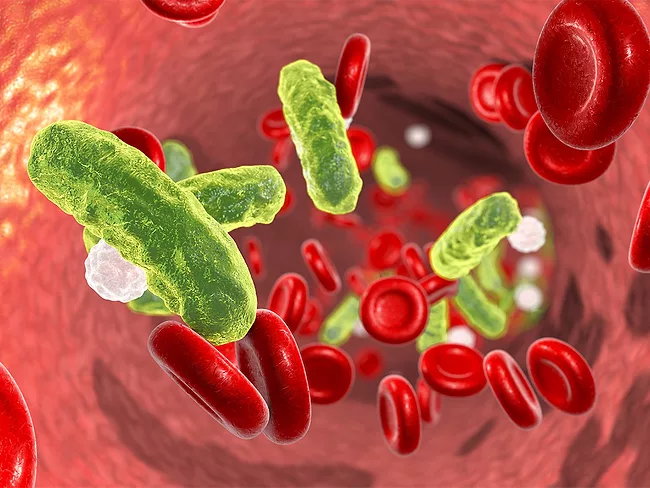
A rapid diagnostic test from Ocean Dx SAS delivered gold standard performance in a clinical evaluation that points to a potential shift in how sepsis is identified and treated. The assay, which detects more than 1,000 bacterial species directly from whole blood, returned 100% sensitivity and 100% specificity compared with reference blood cultures, with results reported in five hours. Further, the test tripled the number of infections identified.
Exactech Inc., of Gainesville, Fla., decided it will not subject itself to a 10-year corporate integrity agreement with the Office of Inspector General, an understandable move given that the company no longer intends to do business in the U.S. under its old brand.

 RSS
RSS