Med-tech happenings, including deals and partnerships, grants, preclinical data and other news in brief: Carmi Masha Technologies, Deephealth, GE Healthcare, Nexalin Technology, Nexalin Technology, Profound Medical, VVT Med, Xcath.
Regulatory snapshots, including global submissions and approvals, clinical trial approvals and other regulatory decisions and designations: Brainsway, Hubly, Icotec, Vita, Withings.
South Korean researchers led by Lee In-suk of Yonsei University have reported the most complete oral microbiome catalog to date, with more than 72,000 genomes. Detailed in Cell Host & Microbe on Nov. 12, 2025, the database is expected to serve as a universal platform for academia and enable “precision microbiome medicine” for the industry, Lee told BioWorld.
The U.S. House is expected to vote late Nov. 12 on an amended continuing resolution (CR) to end the historic 43-day partial government shutdown. Already passed by the Senate, the CR would fully reopen the government and fund it through Jan. 30. President Donald Trump has said he will sign the CR, which ensures federal employees furloughed during the shutdown will receive back pay and will not be terminated.
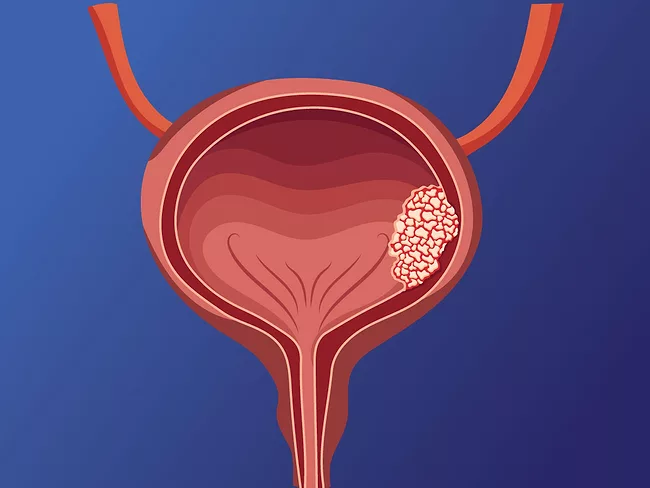
Minze Health NV signed a three-year agreement with Medtronic plc to bring its Minze Diary Pod, an app-controlled automated urine collection device, to markets across the EMEA region. The partnership aims to enhance the support services available for patients with overactive bladder receiving sacral neuromodulation therapy with Medtronic’s Interstim system.
Australia’s Therapeutic Goods Administration has made a few adjustments to its advertising guidelines for social media promotions, including the requirement that the manufacturer is responsible for anything posted by influencers who are acting on behalf of the manufacturer.
Magstim Co. Ltd. reported that the U.S. FDA cleared its Magstim Rapid magnetic stimulation system for the treatment of chronic pain. The clearance provides a clinically validated therapy that directly targets neural pathways involved in pain processing to deliver a non-invasive, drug-free treatment for chronic pain.
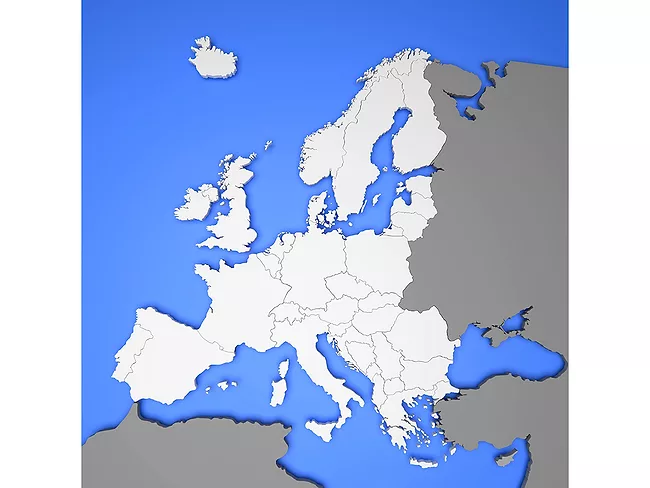
One of the problems of doing business in the EU is that each member nation has its own more or less unique requirements for clinical trial registration, but the Medical Device Coordination Group may have a solution in the form of a pilot program for harmonized clinical trial registration.

 RSS
RSS