Australian scientists have developed a simpler, less invasive way to detect Alzheimer’s disease that could make it easier for patients to access emerging disease-modifying therapies. Researchers from Australia’s Commonwealth Scientific and Industrial Research Organisation have identified blood-based biomarker tests capable of confirming amyloid plaque in the brain with accuracy comparable to the current gold standards using positron emission tomography scans and lumbar punctures.
Clinical updates, including trial initiations, enrollment status and data readouts and publications: Anteris, Fastwave, Philips, Sweetch Health, Theranica Bio-Electronics.
Med-tech happenings, including deals and partnerships, grants, preclinical data and other news in brief: Bio-Techne, Clario Holdings, Conavi, Hyperion, Obviohealth, Otsuka, Recor, Tandem, Thermo Fisher, Vaxxas.
Regulatory snapshots, including global submissions and approvals, clinical trial approvals and other regulatory decisions and designations: Perimetrics, Roche, Strata Skin Sciences.
Stakeholders of all stripes have wondered whether transcatheter aortic valve replacement devices could match their surgically implanted cousins for device durability, but seven-year data from the Partner 3 trial seems to suggest that patients, physicians, payers and regulators need not fret as the topline numbers showed no statistically significant difference for outcomes such as mortality and morbidity.
Medtronic plc’s SPYRAL HTN-ON MED trial demonstrated significantly greater reduction in blood pressure with the Symplicity Spyral renal denervation procedure at three years than a sham procedure in a study presented as featured clinical research at the 2025 Transcatheter Cardiovascular Therapeutics conference in San Francisco.
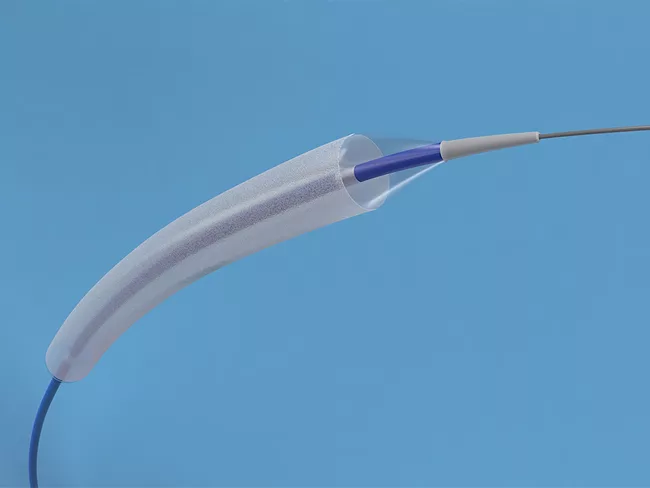
Cordis Corp. has quite a bit to crow about in this latter part of October 2025 with the unveiling of results of two studies that back the Miami Lakes, Fla.-based company’s Selution SLR drug-eluting balloon (DEB) for both de novo coronary artery stenosis and in-stent restenosis.
Private equity firm GHO Capital raised more than €2.5 billion (US$2.9 billion) for its latest fund to invest in health care companies. The fund, GHO Capital IV LP, is the firm’s largest to date and comes despite a challenging market environment reflecting confidence from investors in GHO’s transatlantic strategy and proven record of outperformance across the health care ecosystem.
 RSS
RSS