ARC (Accelerate, Redesign, Collaborate), the innovation arm of Israel’s Sheba Medical Center is looking to use the principles of gaming and simulation to create smarter, more scalable solutions that will benefit both patients and providers.
The International Medical Device Regulators Forum (IMDRF) has issued a draft guidance for predetermined change control plans for software as a medical device. The problem for advocates of regulatory harmonization is that the IMDRF draft overlaps awkwardly with the FDA’s approach, which has issued separate policies for the AI subset of device software functions and a separate guidance for all other devices, including non-AI software.
New hires and promotions in the med-tech industry, including: Biomerica, Channel Medsystems, Fifty 1 AI Labs, Mission Bio, Modular Devices, Perceptive Imaging.
Med-tech happenings, including deals and partnerships, grants, preclinical data and other news in brief: Becton, Dickinson and Co., Bio-Techne, Bluejay, Envoy Medical, Gunze, Harrison.ai, Histosonics, Horizon Surgical Systems, Monteris Medical, Oxford Nanopore, Sanyoseiko, Symphony Robotics.
Regulatory snapshots, including global submissions and approvals, clinical trial approvals and other regulatory decisions and designations: Prytime Medical Devices, Spinex, Vivatronix Tech, Zoll.
Owens & Minor Inc. (O&M) is shedding its Products & Healthcare Services (P&HS) segment with an eye towards expanding its leadership position in the home-based care space. The company has agreed to sell its P&HS segment to Platinum Equity, a private equity firm. Platinum will pay $375 million in cash, while Richmond, Va.-based O&M retains a 5% equity stake in the business.
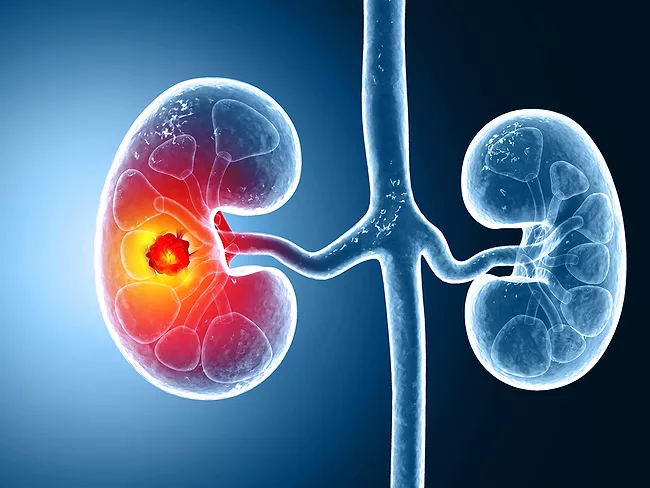
Roche Holdings AG received CE-mark for the Kidney Klinrisk algorithm, an AI-based tool developed in collaboration with Klinrisk Inc. to stratify risk and assess the progressive decline in kidney function. The software will help clinicians to make more informed decisions when accessing adults with chronic kidney disease as well as individuals with diabetes or hypertension who are at elevated risk of kidney function decline.
Cala Health Inc.’s KIQ wearable device delivers transcutaneous afferent patterned stimulation through nerves at the wrist that modulate neural activity in the brain and reduces hand tremors in individuals with essential tremor, two recent studies show.
 RSS
RSS