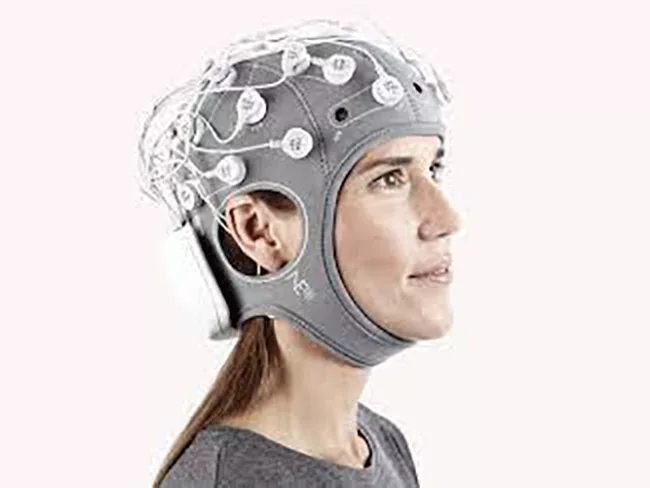
Neuroelectrics Inc. garnered $17.5 million in a series A fundraising round led by the Morningside Group of Hong Kong. The Cambridge, Mass. and Barcelona-based brain stimulation company plans to use the funds primarily to advance its pivotal trial of the Starstim system in refractory focal epilepsy and its at-home feasibility study in refractory major depressive disorder and related infrastructure, Neuroelectrics co-founder and CEO Ana Maiques told BioWorld. Supportive infrastructures for the trials include brain modeling, the platform for remote montage delivery, and clinical and regulatory resources.
Medtronic plc has launched Careguidepro, its first patient-focused digital tool for spinal cord stimulation. The mobile app and online portal enables providers to better manage patients’ pain relief with real-time feedback and data.
The European Commission posted a draft legislative framework for regulation of artificial intelligence (AI), a document that spans all potential uses of such algorithms rather than just medical ones. The text seems to suggest that all medical uses of AI will be deemed high-risk uses, but this draft is just the opening salvo in a process that will span a year, perhaps longer, before the legislation will be drafted and finalized.
To encourage more innovative medical devices to enter the market faster, China has revised its regulation to allow third parties to manufacture devices, foreign devices that are not yet approved overseas to be imported to the country, and to shorten the regulatory process. The new regulation will take effect on June 1. The 2021 version of the Regulation on Supervision and Administration of Medical Devices introduced a few important changes, echoing Beijing’s call to spur health care innovation. The last update was in 2014.
Once again, the World Trade Organization (WTO) postponed a decision on a temporary intellectual property (IP) waiver for COVID-19 vaccines and other related medical products.
The 2021 Special 301 Report recently released by the U.S. Trade Representative is mostly déjà vu for the 32 countries included on the Priority Watch and Watch Lists, as all of them have appeared before on the lists that call out U.S. trading partners for unfair intellectual property practices that disadvantage foreign companies.

 RSS
RSS