Keeping you up to date on recent developments in cardiology, including: Researchers outline new stroke strategy; Group assesses role of neutrophil extracellular traps in coronary thrombosis in COVID-19 patients; Link identified between metabolic syndrome and higher cardiovascular risk in patients with psoriasis.
Lexagene Holdings Inc. started a series of studies for submission to the U.S. FDA for emergency use authorization (EUA) for its point-of-care system and adaptable COVID-19 assay. The open-access technology enables rapid configuration for new COVID-19 variants.
As is the case with many national governments, the U.S. federal government does not routinely measure its activities in the calendar year, but we at BioWorld don’t share that outlook. CY 2020 was odd in more ways than one from a regulatory standpoint, and thus we offer our version of a regulatory top 10 for a year that might not look much better in the rear-view mirror than it has looked as a current event.
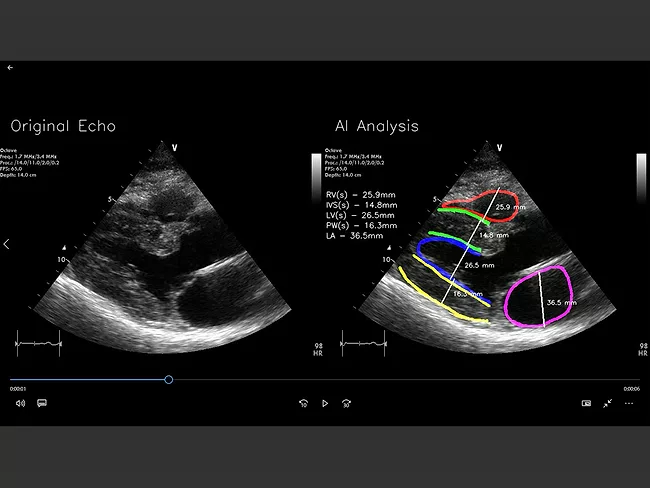
HONG KONG – A new algorithmic module developed by Rsip Vision Ltd. makes it possible to generate automated expert-level assessment of heart functions, facilitating quick and reliable detection of cardiac illness and heart attacks.
The U.S. FDA has granted emergency use authorization (EUA) to Quanterix Corp.’s SARS-CoV-2 IgG antibody test, which tests blood samples for evidence of recent or prior COVID-19 infection. The test could also be used to measure antibody response to a COVID-19 vaccine. The Simoa Semi-Quantitative SARS-CoV-2 IgG antibody test is indicated for the qualitative and semi-quantitative detection of IgG antibodies to SARS-CoV-2 in human serum and dipotassium EDTA plasma from a venous blood draw.
Keeping you up to date on recent developments in diagnostics, including: Arterial stiffness and mental decline; Wearables can help to predict COVID-19; Putting patients in control of type 2 diabetes with smart choices, CGMs.

 RSS
RSS