PERTH, Australia – The COVID-19 pandemic certainly put pressure on Australia’s Therapeutic Goods Administration during the 2019 to 2020 year, but it also showed that the agency was able to rise to challenge and not buckle under pressure, revealing a number of strengths that the agency will build upon, the TGA said in its annual performance report.
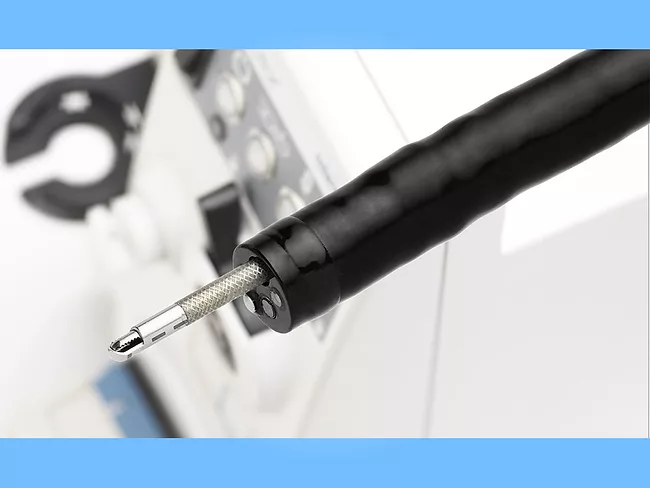
The U.S. FDA granted de novo marketing authorization to Interscope Inc.’s Endorotor system for direct endoscopic necrosectomy (DEN) of walled-off pancreatic necrosis, giving the specialty device a cutting edge over more generic tools often used for the challenging procedure. Endorotor received a CE mark for this indication in 2018 and also has FDA 510(k) clearance for post-endoscopic mucosal resection tissue persistence with a scarred base and for removal of endobronchial tumors and granulation tissue.
While several companies are looking to help recurrent glioblastoma patients, Carthera SAS has taken a step forward by bringing its Sonocloud-9 device into a phase I/II clinical trial. Northwestern University in Chicago will collaborate with the company in the trial, which is expected to enroll up to 39 patients. The first patient already has been treated.
Telehealth has been topical in the U.S. for several years now, but the COVID-19 pandemic lent new urgency to the question of Medicare coverage. However, there are a number of related enforcement issues that could dampen adoption and increase the legal risk for both health care professionals and developers of telehealth-related products.
LONDON – The life sciences industry exhaled sharply and prepared to labor over the fine print in 1,246 pages of text after the EU and U.K. reported they had agreed a post-Brexit trade deal on Christmas Eve. The U.K. has said it will take a light touch, at least initially, with implementation of new border controls taking place in three stages up to July 30, 2021. The EU has not said what its approach will be.
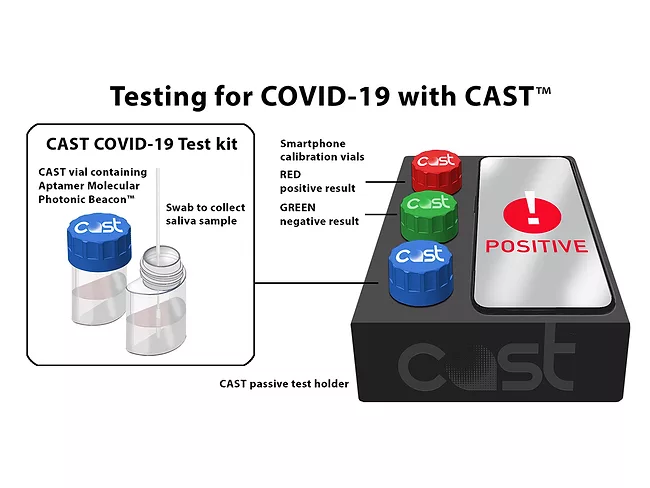
Two-Photon Research Inc. (TPR) has launched a diagnostics platform it said improves coronavirus detection via aptamers, small molecules that change shape when binding to a protein at the surface of the SARS-CoV-2 molecule that causes COVID-19. Light shone onto a vial containing a patient’s saliva and the Aptamer Molecular Photonic Beacon (AMPB) generates negative or positive results that are instantly displayed on a smartphone and stored for planning purposes by public health officials.
Regulatory snapshots, including global submissions and approvals, clinical trial approvals and other regulatory decisions and designations: Visionquest, Zetroz Systems.

 RSS
RSS