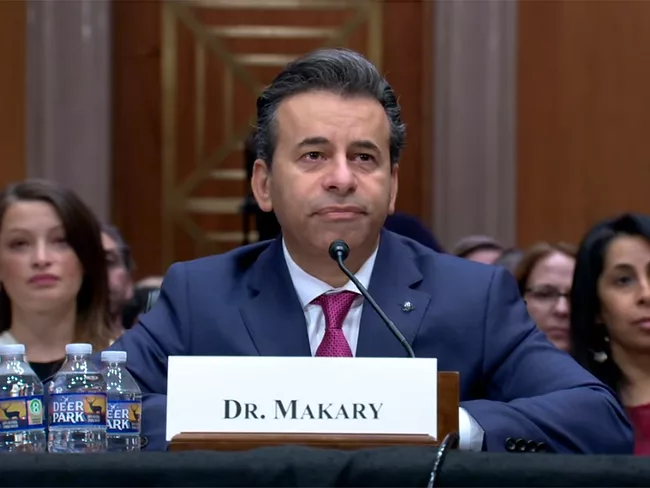
Martin Makary, President Donald Trump’s pick to head the U.S. FDA, took his turn before the Senate Health, Education, Labor and Pensions (HELP) Committee March 6, a week ahead of the committee’s confirmation votes on both him and Jay Bhattacharya as the next NIH director. The committee votes will set the stage for the full Senate to vote on confirming both nominees later this month.
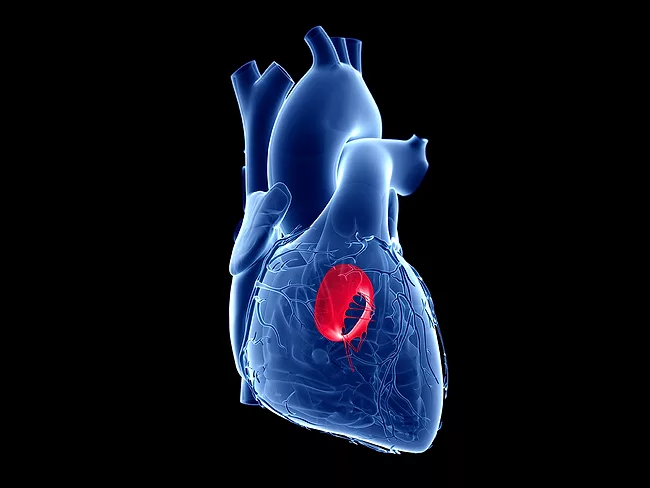
4C Medical Technologies Inc. raised $175 million in a series D financing round led by Boston Scientific Corp. The financing will support the regulatory trials and commercialization of the Altavalve system, a transcatheter mitral valve replacement (TMVR) technology.
Relief Srl raised more than €1 million (US$1.08 million) in financing for Urorelief, its endourethral medical device which treats stress urinary incontinence. The Italian startup will use the funds to conduct clinical trials to validate the device as it looks to transform the lives of men and women suffering from the condition.
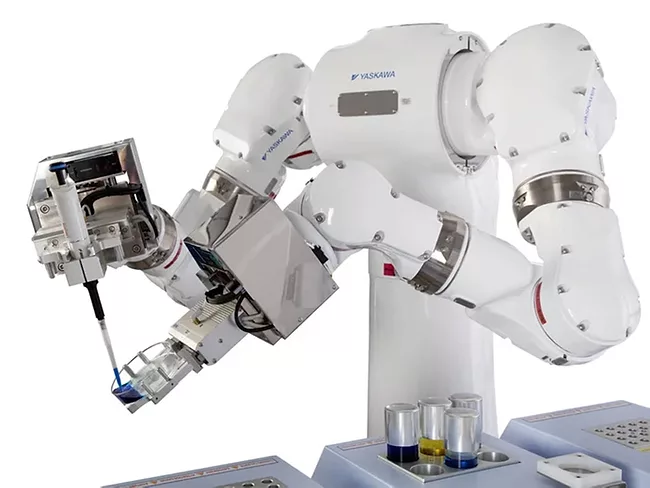
Astellas Pharma Inc. is setting up a joint venture with Yaskawa Electric Corp. to develop a new cell production platform using Yaskawa’s dual-arm humanoid robot called Maholo.
Repligen Corp. acquired 908 Devices Inc.’s desktop portfolio of four devices for bioprocessing process analytical technology (PAT) applications for $70 million in cash.
Med-tech happenings, including deals and partnerships, grants, preclinical data and other news in brief: Andromeda Surgical, Bioaffinity Technologies, Capstan, Conavi, Icad, Lipogems, Lunit, Nextbiomedical, Ramsoft.
Regulatory snapshots, including global submissions and approvals, clinical trial approvals and other regulatory decisions and designations: Atreon Orthopedics, Cerus, Medrhythms, Qiagen.
 RSS
RSS