The Cleveland Clinic Foundation (CCF) has found itself on the wrong end of an enforcement action by a federal attorney’s office, which had alleged that CCF had made false statements to the government regarding three grant awards.
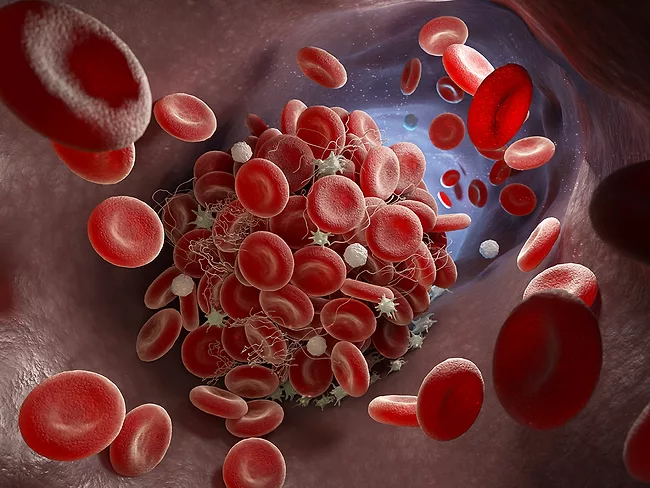
Elixir Medical Corp. reported positive 12-month clinical data from the Desyne BDS Plus randomized controlled trial which evaluated its Desyne BDS plus system, a triple drug-eluting coronary implant with site-specific antithrombotic therapeutic coating, against a contemporary, durable polymer drug-eluting stent in the treatment of de novo native coronary artery lesions.
A renewed focus on telehealth and telemedicine may be pumping new life into remote patient monitoring for heart failure, which seems to be the case for the Cardiomems device by Abbott Inc.
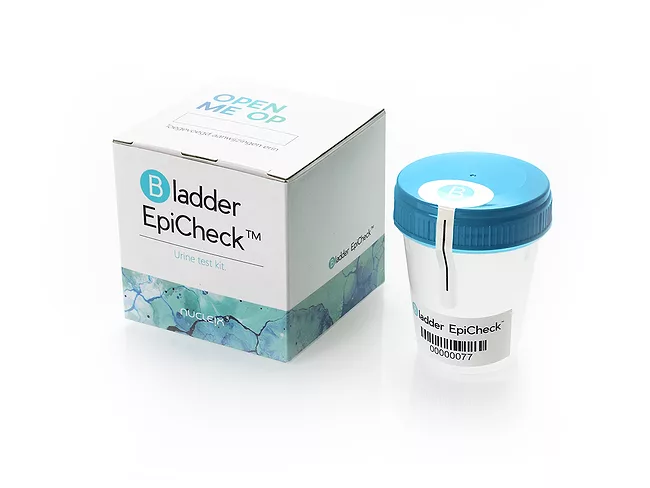
Liquid biopsy typically means blood testing, but several companies presenting at Biomed Israel May 21-23 have developed diagnostics that look to other, even less invasive options, and ever broader applications. Nevia Bio Ltd. is using vaginal secretions to detect ovarian cancer, while Early OM Ltd. and Nucleix Ltd. analyze urine for cancer biomarkers.
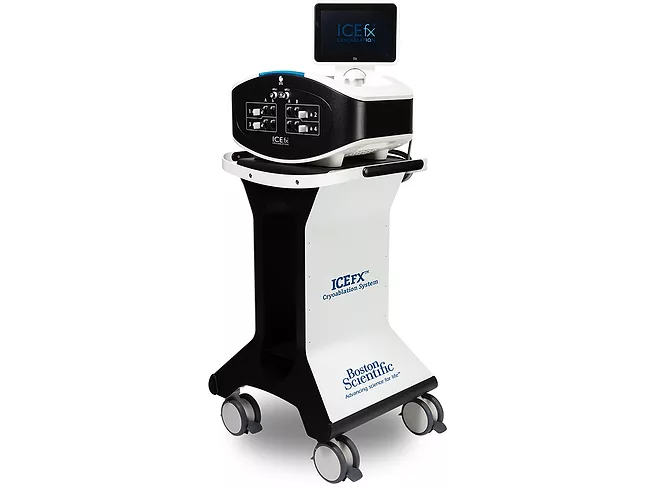
The major players in electrophysiology – Boston Scientific Corp., Johnson & Johnson, Medtronic plc, Abbot Laboratories – showed up in force at the 2024 Heart Rhythm Society annual meeting in Boston May 16-19 to tout their pulsed field ablation devices and study results.

 RSS
RSS