Med-tech happenings, including deals and partnerships, grants, preclinical data and other news in brief: Alma, Autonomix, Exicure Heartbeat Health, Karoo Health, Stereotaxis.
Despite the ongoing war, speakers at Biomed Israel this week reported that business and investment in Israel’s med-tech industry continues largely unchanged.
The med-tech sector experienced some relief in the first quarter of 2024 (1Q24) as total financings climbed to $6.38 billion, eclipsing the value of any quarter in 2023. For perspective, the final quarter of 2023 recorded $3.32 billion, and 1Q23 raised $4.69 billion, with an average of $4.42 billion in financings per quarter in 2023.
“In an impressive eight-month timeline,” South Korea’s Lunit Inc. completed the $193 million (AU$292 million) acquisition of Volpara Health Technologies Ltd. to globally advance artificial intelligence (AI)-based cancer care.
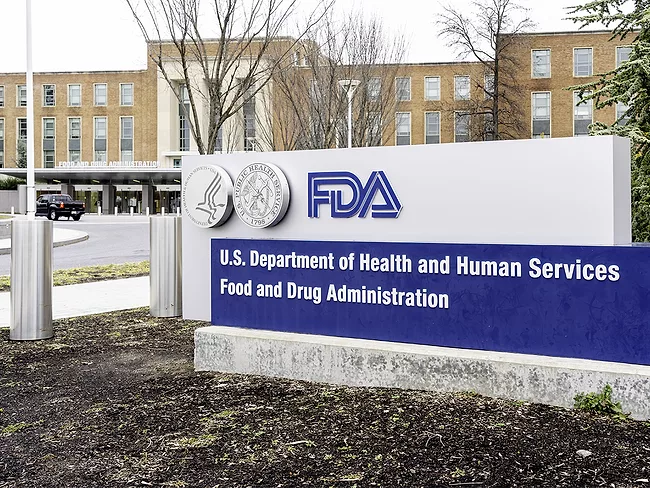
The U.S. FDA’s May 23 advisory hearing for the Shield test for colorectal cancer by Guardant Health Inc., included the expected debate over whether patients would abandon colonoscopy thanks to the advent of a new blood-based test. While much of that debate was fed by what some saw as the test’s poor performance regarding adenoma, the advisory committee voted 6-3 that the benefits outweigh the risks in a decision the FDA is likely to affirm.
The U.S. FDA’s May 23 advisory hearing for the Shield test for colorectal cancer by Guardant Health Inc., included the expected debate over whether patients would abandon colonoscopy thanks to the advent of a new blood-based test. While much of that debate was fed by what some saw as the test’s poor performance with regard to adenoma, the advisory committee voted 7-2 that the benefits outweigh the risks in a decision the FDA is likely to affirm.

 RSS
RSS