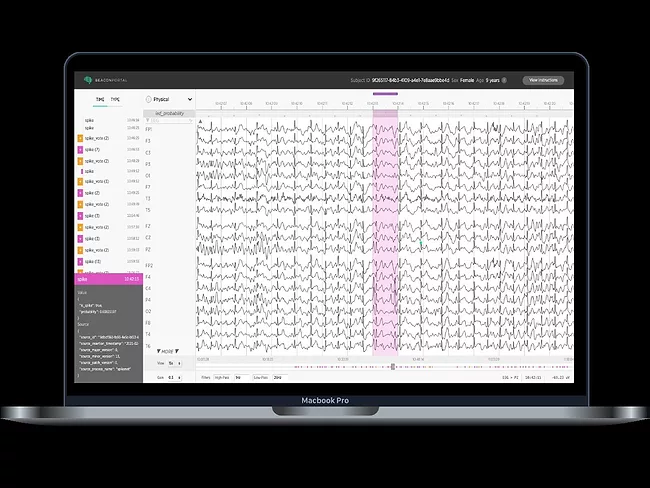
A partnership between Gate Neurosciences Inc. and Beacon Biosignals Inc. promises to advance the field of precision psychiatry by using electroencephalogram (EEG) biomarkers to diagnose depression and rapidly assess response to medications. The collaboration will first use Beacon’s U.S. FDA-cleared Dreem 3S headband device and neurobiomarker platform to conduct EEGs in participants in Gate’s phase II trial of zelquistinel, a small-molecule NMDA receptor modulator under development as an antidepressant.
Theryq SAS and Gustave Roussy, a European center for cancer research, were given €38 million (US$40.1 million) in funding by Bpifrance, the French public sector investment bank, to further develop Flashdeep, a flash radiotherapy device that uses extremely high energy electron (VHEE) radiation to treat cancers that are resistant to traditional treatments.
The European Union (EU) is steadily making progress on the Artificial Intelligence Act (AI Act), landmark legislation that will affect AI not just for medical uses, but for all uses across the EU economy.
The controversy over the use of paclitaxel (PTX) in devices used to treat peripheral artery disease (PAD) has taken roughly half a decade to unwind as regulatory agencies across the globe stand down their restrictions on the use of these devices.
In the first month of 2024, med-tech financings passed the $1 billion mark once more, raising a total of $1.06 billion through 46 transactions recorded by BioWorld. It was the fourth consecutive month where med-tech financings exceeded the $1 billion threshold, just slightly down from the $1.07 billion raised in December.
Med-tech happenings, including deals and partnerships, grants, preclinical data and other news in brief: Acarix, Carthera, Dilon, Element Biosciences, Genesis Medtech, Hamilton Beach, Healthbeacon, Inovalon Holdings, Integrated DNA, Microbot Medical, Nanostring Technologies, Sifi, Vigilanz.
 RSS
RSS