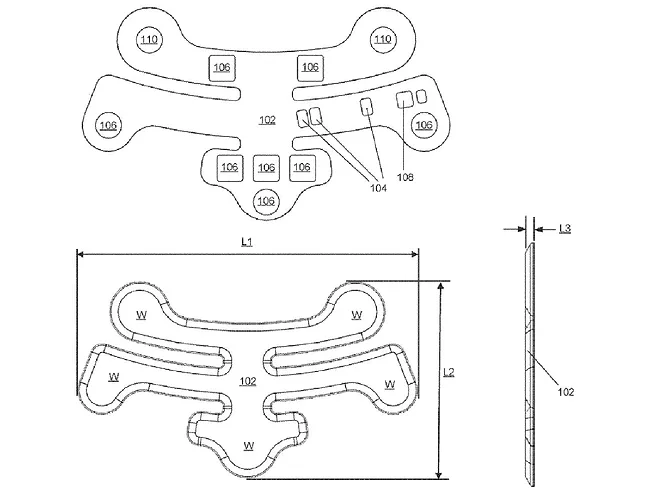
Inventors affiliated with Nirsense LLC, are designing somatic and cerebral oximetry devices using functional near-infrared spectroscopy (fNIRS). They have filed for patent protection of wearable systems capable of detecting both optical and non-optical biometric properties of a user to determine their cognitive state.
The U.S. FDA has redrafted an existing guidance for third-party reviews of 510(k) submissions to include submissions under the emergency use authorization (EUA) program, which generally speaking should be good news. The problem with the draft is that these third parties will have to interact frequently and substantively with the FDA in EUA reviews, and the lack of prescribed timelines in the FDA draft suggests that while the use of third parties may help the agency manage any future EUA workloads, the total turnaround time for these applications might not be significantly better than was seen during the COVID-19 pandemic.
Despite the approval of dozens of antidepression medications, an estimated 30% of individuals who experience major depressive disorder (MDD) fail to respond to treatment despite repeated trials. As about one in eight individuals will experience MDD in their lifetime, investors and researchers have leapt into the gap to find and fund better ways to match treatment to patients, develop non-pharmacological therapies and improve outcomes.
Royal Philips NV agreed with the U.S. FDA to the terms of a consent decree focused on its Respironics business, following the recall of millions of its devices over the last few years. Although the details of the decree are being finalized, Philips said it will halt the sales of new continuous positive airway pressure (CPAP) and bilevel positive airway pressure (BiPAP) sleep therapy machines as well as other respiratory care devices in the U.S. until the conditions of the decree are met.
In keeping with federal standards for classifying race and ethnicity data, the U.S. FDA issued a draft revision to broaden its 2016 guidance on the collection of such data in clinical trials.
The U.S. FDA accepted Novocure GmbH’s premarket approval (PMA) application to use its Tumor Treating Fields (TTFields) technology together with standard systemic therapies to treat non-small cell lung cancer (NSCLC) following progression on or after platinum-based therapy. Novocure hopes that the application, under review, will get the green light and the therapy, which uses electric fields to disrupt solid tumors and kill cancer cells, will be on the market in the second half of 2024.
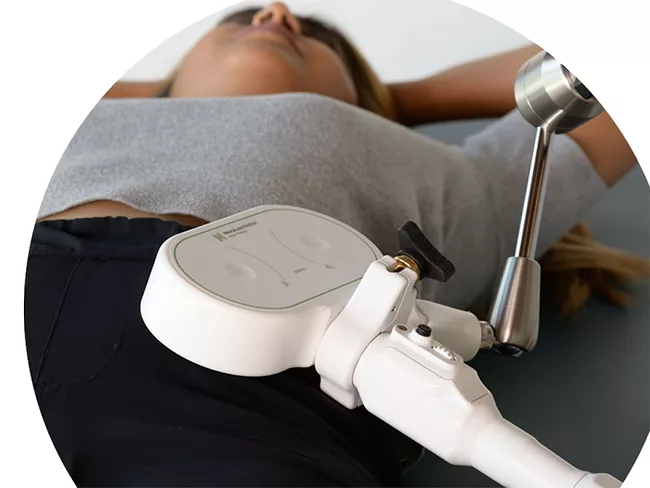
Neuralace Medical Inc. tied up a second U.S. FDA clearance for its Axon therapy, adding painful diabetic neuropathy (PDN) to the chronic nerve pain indication it received in 2021. An ‘electroceutical’ device, Axon employs non-invasive magnetic peripheral nerve stimulation (mPNS) to provide relief without leads, injections or implants.
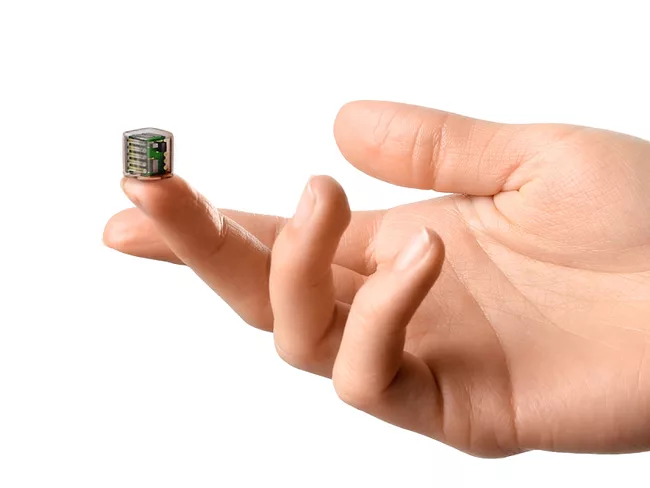
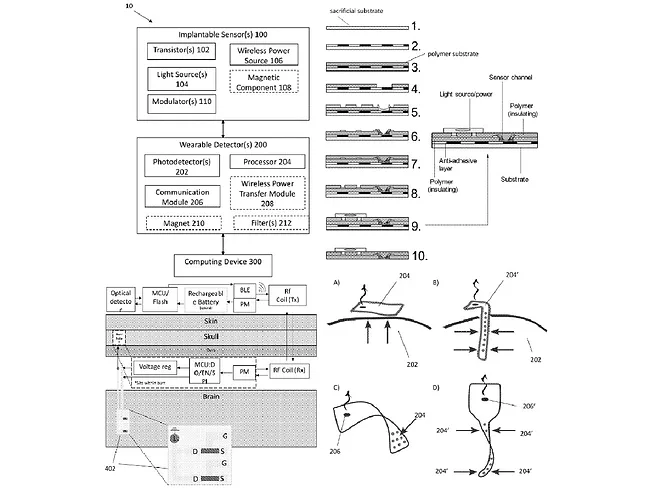
In its first patenting, Cambridge, U.K.-based Opto Biosystems Ltd. is seeking protection for implantable sensors that may be used in systems to measure chemical, biological, or electrical signals in the central and/or peripheral nervous systems.
 RSS
RSS