On Dec. 1, a judge in the U.S. District Court for the District of Delaware granted Natera Inc. a permanent injunction in its patent infringement suit against Archerdx Inc. and its former parent company, Invitae Corp., adding another block to the intellectual property wall of protection around the market dominance of Signatera, Natera’s molecular residual disease (MRD) assay.
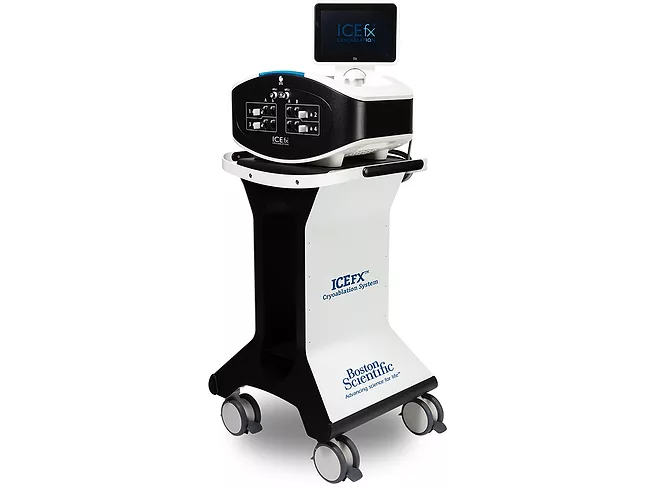
Using minimally invasive focal therapies to treat prostate cancer are much more cost-effective and can improve patients’ quality of life compared to surgery or radiotherapy, according to a study published in the Journal of Medical Economics.
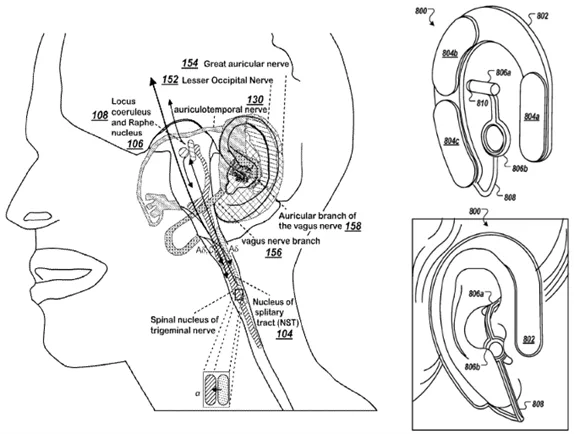
Spark Biomedical Inc. is seeking patent protection for the use of its transcutaneous auricular neurostimulation (tAN) platform for treating stress and improving performance in stressful situations while controlling bleeding.
Med-tech happenings, including deals and partnerships, grants, preclinical data and other news in brief: Apogepha Arzneimittel, Benchmark Electronics, Guardant, Nanovibronix, Personalis, Titan Medical.
Regulatory snapshots, including global submissions and approvals, clinical trial approvals and other regulatory decisions and designations: Neuronetics.
Med-tech happenings, including deals and partnerships, grants, preclinical data and other news in brief: Clarius, Fujirebio, Glucotrak, Naveris, Nevro, Sysmex, Thermo Fisher.
 RSS
RSS