The European Commission posted a series of proposed legislative updates, including the AI Act, which might not come into force for the med tech industry until August 2028 under the terms of this proposal.
Med-tech M&A activity cooled in October, with the total disclosed deal value reaching $1.68 billion, a step down from September’s $4.84 billion and well below several stronger months earlier in the year.
Clinical updates, including trial initiations, enrollment status and data readouts and publications: Archéon Médical, Deephealth, Exact Imaging, Intravent, Nexalin, Quanterix.
Regulatory snapshots, including global submissions and approvals, clinical trial approvals and other regulatory decisions and designations: Dexcom, Rapidai, Vesalio.
U.S. and European organ-on-a-chip specialty biotechnology companies are driving development of organ-on-a-chip technologies, fueled by the U.S. FDA’s decision to phase out animal testing for investigational new drugs.
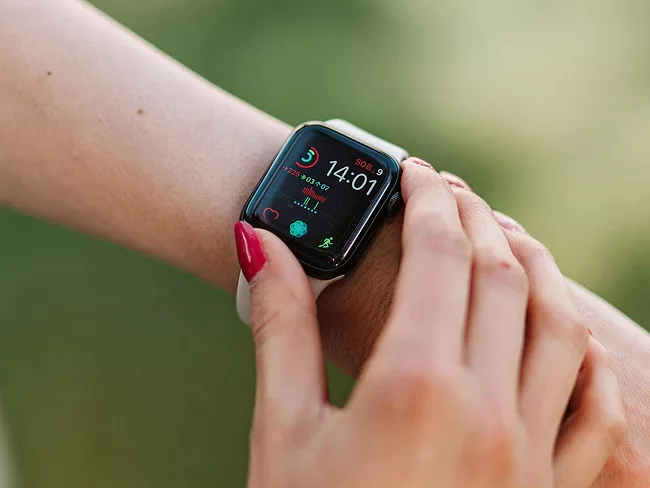
A jury has returned a verdict of infringement against Apple Inc., as part of a series of patent disputes with Masimo Corp., producing a damages award of $634 million which is seen in some quarters as an indicator that Masimo has the momentum against Apple.
The health care sector continues to be strong and adaptable despite the challenges over the past year, according to a report by global investment bank Jefferies. High interest rates, geopolitical uncertainty and policy shifts have added caution to the industry, but leaders are adapting well.
 RSS
RSS