Disorganization resulting from last-minute changes to voting questions involving new recommendations for hepatitis B virus vaccines created a moment of déjà vu Dec. 4 when the CDC’s Advisory Committee for Immunization Practices (ACIP) voted 6-3 to once again delay its votes on whether the current recommended birth dose should be pushed back.
One of the sessions at this year’s Food and Drug Law Institute’s enforcement conference dealt with the use of AI for FDA compliance activities, but the question of AI legislation also arose. The problem with AI legislation, said Nathan Brown of Akin Gump, is how to manage the details of any legislation, which presents enough drag that federally preemptive legislation stands a faint chance of passage anytime soon.
The U.S. FDA granted accelerated approval for the Biologics License Application for Axogen Inc.'s Avance, an acellular nerve allograft that serves as a scaffold for nerve regrowth, for treatment of patients with sensory, mixed and motor peripheral nerve discontinuities. The company expects Avance to be commercially available in the second quarter of 2026.
Saluda Medical Pty Ltd. announced a AU$231 million ($152.7 million) initial public offering on the Australian Securities Exchange to scale up its U.S. footprint for its Evoke spinal cord simulation system for chronic pain.
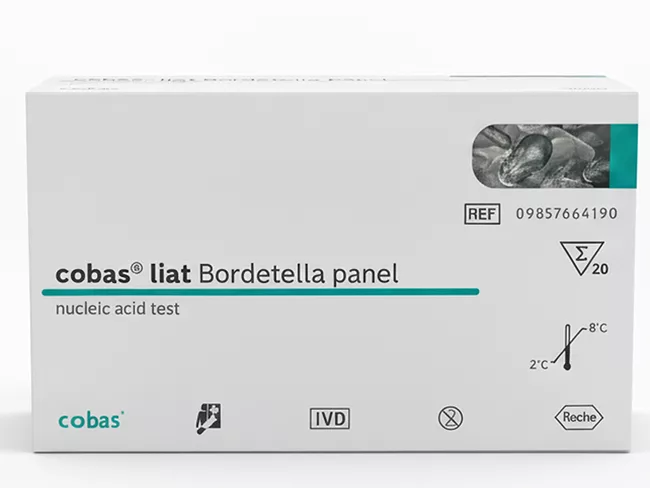
Roche AG received regulatory clearance from the U.S. and European authorities for a new diagnostic test that detects Bordetella infections, including whooping cough, as cases surge globally. The point-of-care test, which delivers PCR-accurate results in just 15 minutes, will help health care providers to quickly identify infections and act to prevent severe complications, onward transmission and deaths.
The FDA’s Center for Devices and Radiological Health (CDRH) will have its hands full with the roll-out of the overhauled quality management regulation, but this will have ripple effects on industry as well. Keisha Thomas, associate director for compliance and quality at CDRH, told an audience in Washington DC that risk management will be a big focus in FDA oversight and inspections in 2026, a point of emphasis that could lead to more routine compliance and enforcement action.
Clinical updates, including trial initiations, enrollment status and data readouts and publications: BTT, BTT Medical Institute, Dariohealth, Delcath, Endra, Famenity, Owkin, Sunbird Bio.
Med-tech happenings, including deals and partnerships, grants, preclinical data and other news in brief: Acupath, Alerje, Euroimmun, GE Healthcare, Mirus, Radiomedix, Revvity, Sempresto, Thor Medical, Valar, Vialase, Volitionrx, Zoll Medical.
Regulatory snapshots, including global submissions and approvals, clinical trial approvals and other regulatory decisions and designations: Axogen, Catalyst Orthoscience, Insulet, MED-EL, Medtronic, Wingderm Electro-optics.
 RSS
RSS