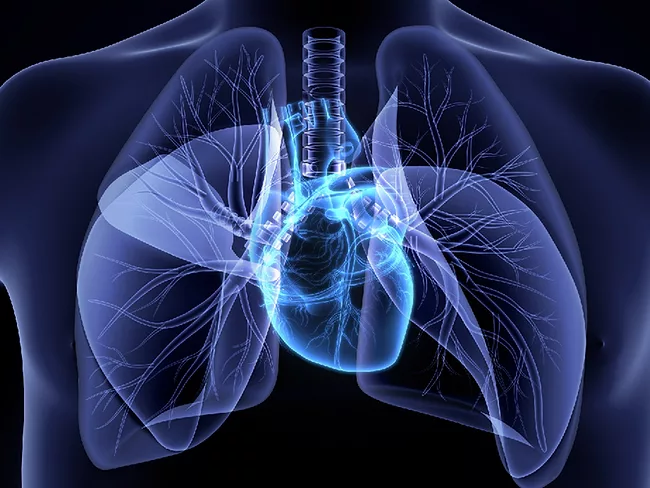
Xeltis AG reported the first-in-human results for its fully synthetic electrospun vascular access graft, showing 100% patency at six months in 20 patients with end stage renal disease who were not suitable for arteriovenous (AV) fistula creation.
Regulatory snapshots, including global submissions and approvals, clinical trial approvals and other regulatory decisions and designations: Apyx Medical, Intuitive Surgical.
Med-tech happenings, including deals and partnerships, grants, preclinical data and other news in brief: Abbott, CSI, Checkable Medical, Globus Medical, Greenlight Guru, HTEC Group, Nuvasive, Precipio, Proteomedix.
Despite a strong 2022 for both med-tech deals and M&As, the industry lost ground with both types of transactions in the first quarter of 2023, with deal values falling 32% and M&A values dropping 83%, in comparison with the first quarter of last year.
An electronic pen that tracks upper limb and hand motions to diagnose Parkinson’s disease is to be repurposed to detect neurotoxic side effects of immunotherapy for cancer, following the award of a grant from Johnson & Johnson Innovation.
Ultromics Ltd. has been granted a U.S. FDA breakthrough device designation for its artificial intelligence (AI)-enhanced platform to aid early diagnosis of cardiac amyloidosis. Echogo Amyloidosis uses AI to analyze echocardiograms and detect the presence of cardiac amyloidosis, using a single commonly acquired ultrasound view of the heart. The platform was developed with the support of Janssen Biotech Inc., part of the Janssen Pharmaceutical Companies, a unit of Johnson & Johnson.
Regulatory harmonization is perhaps highest on the regulatory wish list of medical device manufacturers, but the FDA’s device center has tamped down expectations of a medical device single review program. Jeff Shuren, director of the Center for Devices and Radiological Health (CDRH) said the agency will release a strategic plan later this year for regulatory harmonization, but declined to offer any details other than to state that differences in risk classification schema are not as significant a source of drag on harmonization as may commonly be believed.

 RSS
RSS