Pharma companies are collaborating to boost the power of artificial intelligence (AI) in drug discovery by allowing access to proprietary structural data to train a large language model. Each of the partners is contributing data from several thousand experimentally determined protein:ligand interactions, creating one of the most diverse datasets and the richest chemistry assembled to date for model training.
Boston Scientific Corp. continues to prove out its strategy of active acquisitions combined with industry-leading organic growth with the closing of its $88 million acquisition of Elutia Inc.’s Bioenvelope business and very positive targets for growth presented during its investor day on Sept. 30.
Convatec Group plc plans to invest more than $1 billion in the U.S. and U.K. over the next decade as it looks to accelerate its research and development (R&D) ambitions.
AI seems to suggest that a world of problems with health care spending may become more manageable, but Stephen Bittinger, a shareholder in the D.C. office of the law firm of Polsinelli PC told BioWorld that all the headaches surrounding validation of these algorithms suggests a need for an independent AI validation institute.
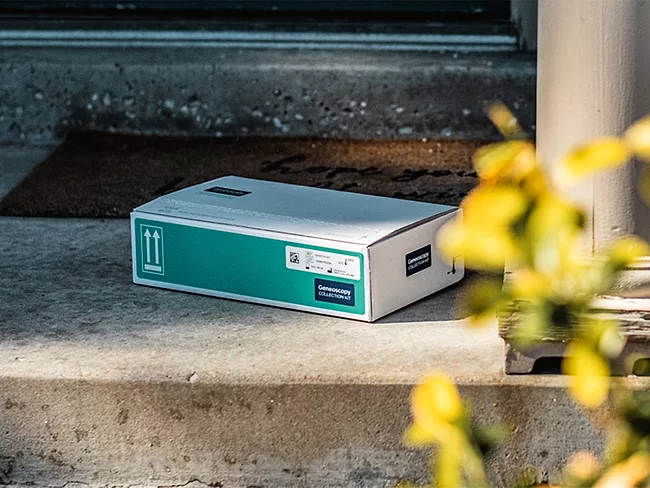
The market for colorectal cancer screening tests seems poised to heat up considerably with a recent request for Medicare coverage for Genoscopy’s Colosense test, but some who commented on the proposal have misgivings about the lower level of specificity seen in the Colosense relative to the Cologuard.
Med-tech happenings, including deals and partnerships, grants, preclinical data and other news in brief: Adagio, Avita, Bioretec, Elutia, Gestalt, Illumina, Kardium, Omnipathology, Radiopharm Theranostics, Switchback.
Regulatory snapshots, including global submissions and approvals, clinical trial approvals and other regulatory decisions and designations: Distalmotion, Karl Storz.

 RSS
RSS