Prenaital ApS has filed a patent for technology that may identify risks of spontaneous pre-term birth. Spontaneous preterm birth (sPTB) is usually defined as birth occurring before 37 weeks of gestation. The invention relates to a method for predicting potential preterm birth from medical scan data, which may be used in practice by medical professionals for risk analysis and prognosis of potential pathologies.
The FDA’s Center for Devices and Radiological Health posted two important guidances just in the first week of the new year. The agency seems determined to sustain that pace with a new draft guidance for cuffless blood pressure monitors, apparently in response to sales of unauthorized over-the-counter devices for this indication.
Clinical updates, including trial initiations, enrollment status and data readouts and publications: Nalu, Privo Technologies, Regeltech, Sonex Health.
Regulatory snapshots, including global submissions and approvals, clinical trial approvals and other regulatory decisions and designations: Clearpoint Neuro, Medtronic, Rhythm AI.
Abbott Laboratories reported fourth quarter sales below expectations before the market opened on Jan. 22, sending the stock down nearly 12% from the prior day's closing. The biggest hits came from contraction in the nutrition group along with continued disruption in the diagnostics unit from volume-based procurement in China. Medical devices suffered from market share loss in electrophysiology and slower than expected uptake of continuous glucose monitors. The pharma group performed as anticipated, posting 7% growth.
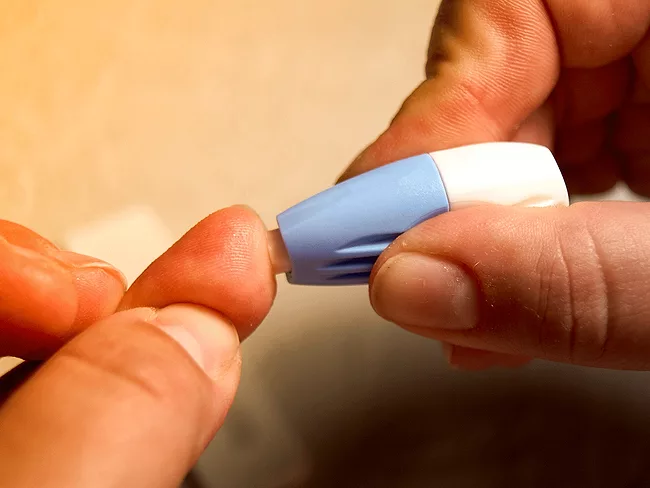
A team of international researchers is investigating whether a finger-prick blood test could be used to help diagnose Alzheimer’s disease before symptoms appear. With current diagnostic methods relying on expensive brain scans and invasive lumbar punctures, the trial is exploring whether the simple test could offer a faster, cheaper, and more accessible route to identifying the disease.
 RSS
RSS