Med-tech happenings, including deals and partnerships, grants, preclinical data and other news in brief: Amwell, Bowflex, Elekta, Element Biosciences, Instat, Leidos, Massive Bio, Nautilus, Onocoassist, Oula, Revity, Surgical Theater, Veristat.
Celero Systems Inc. reported details of a patent filing for gastric residency systems for its ingestible devices, in the form a plurality of retention arms with non-deployed and deployed states sized and configured to temporarily retain the ingestible devices in the stomach for periods of up to a week.
The North American Spine Society Annual Meeting provided a positive view of one area in orthopedics that may be immune from the effects of widespread use of GLP-1 medications. Recent data indicates volumes and seasonality have finally recovered from pandemic impacts. Major trends discussed at the conference included expanded use of robotic systems, increased customization and adoption of augmented reality technology.
Medical Microinstruments Inc. (MMI) is expanding its Symani surgical system into the Asia Pacific – a region with “clear demand for the technology” – through two local partners, Device Technologies Australia Pty Ltd. and Seoul-based TRM Korea Corp.
In interviews with BioWorld, med-tech industry leaders in Israel noted upfront that a hasty exit mid-conversation could occur in response to sirens alerting to missile attacks. Despite constant disruption, most companies said they were determined to maintain business as close to usual as possible. Still, challenges abound, including the potential mandatory military activation of CEO and key personnel, ongoing attacks and potential disruption or diversion of critical resources. The tenor remains positive, however, with companies praising strong support from the venture capital community and other investors and partners worldwide and the benefits of operations in the U.S.
Oxford Nanopore Technologies plc secured a £70 million (US$85 million) investment from Biomérieux SA. The investment comes on the back of a partnership formed between the two companies earlier in the year. The funds will support the development of products in Oxford Nanopore’s portfolio to serve in vitro diagnostics (IVD) markets.
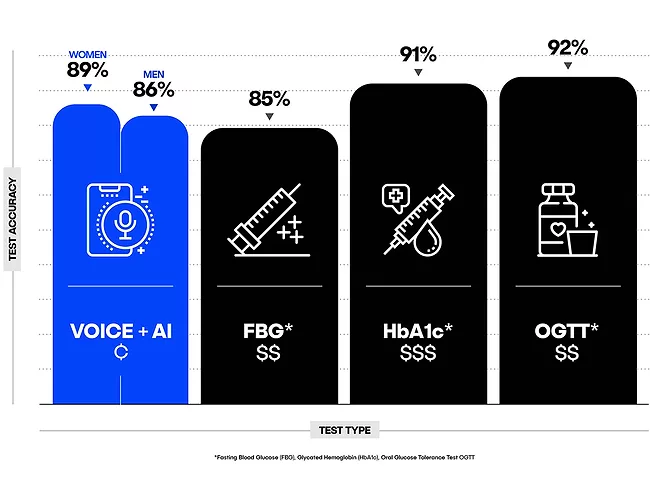
An artificial intelligence (AI) algorithm using voice technology developed by Klick Inc. could be a game changer for diagnosis of type 2 diabetes, helping to identify the 50% of individuals who unknowingly have the disease. The technology uses a six- to 10-second voice clip spoken into a smartphone plus basic health data to detect diabetes in close to nine out of 10 individuals, a study published in Mayo Clinic Proceedings: Digital Health found.
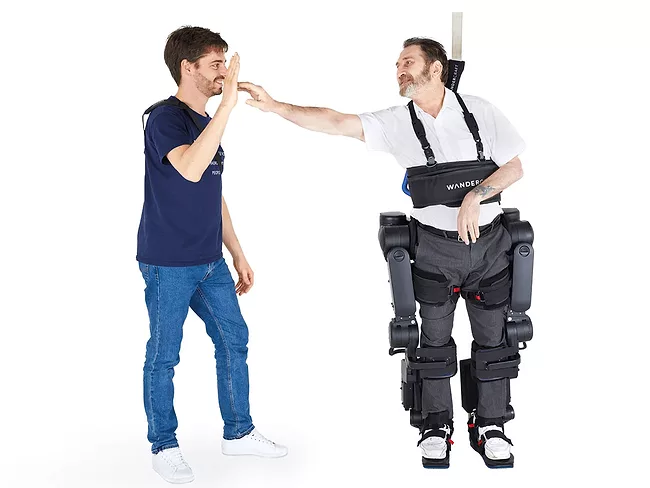
Wandercraft SAS has begun commercial operations of its exoskeleton, Atalante X, in the U.S., offering another solution to the millions of people living with mobility impairments. The company also formed a partnership with the Kessler Foundation whose research team will investigate the possible benefits of the Atalante X for neurologically impaired patients, including those recovering from stroke, spinal cord injuries and motor neuron disease.

 RSS
RSS