The U.S. FDA’s Sept. 6 hearing of the Patient Engagement Advisory Committee (PEAC) tackled the question of health equity, a discussion that touched on several issues such as accessibility. One of the committee’s recommendations was that the FDA assist the Centers for Medicare & Medicaid Services (CMS) with the latter’s task of developing codes for payment, not the kind of task to which the FDA is typically assigned.
Bariatek Medical SA’s team of inventors reported on a patent for a delivery system for introducing or deploying a gastrointestinal implant, particularly a bypass sleeve used to treat obesity and diabetes.
Med-tech happenings, including deals and partnerships, grants, preclinical data and other news in brief: Abbott Laboratories, Bigfoot Biomedical, Bimi International Medical, Imagebiopsy Lab, Insightec, Phenix, Radiobotics.
Regulatory snapshots, including global submissions and approvals, clinical trial approvals and other regulatory decisions and designations: Exactech, Tyber Medical.
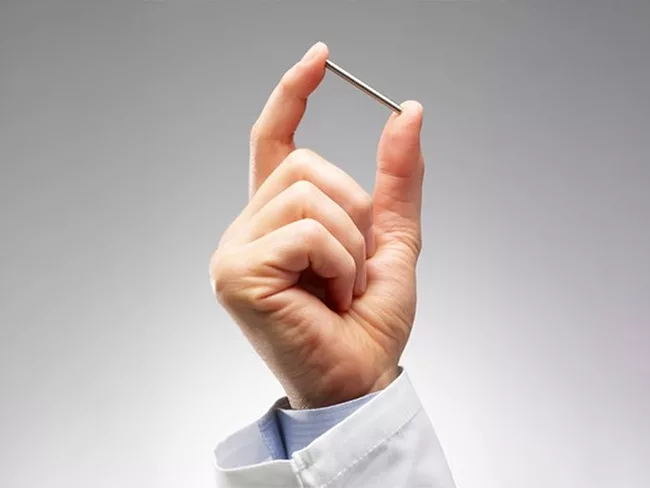
Safety concerns overrode benefit when the U.S. FDA’s Endocrinologic and Metabolic Drugs Advisory Committee (EMDAC) voted unanimously, 19-0, Sept. 21 that the potential risks of Intarcia Therapeutics’ ITCA-650 outweighed the compliance and A1C-lowering benefits the twice-yearly implantable exenatide-device combination product could provide for adults with type 2 diabetes.
The annual volume of implant of transcatheter aortic valve replacement (TAVR) devices has grown steadily over the years, and that volume might sustain its upward trajectory over the next few years if the results of a new analysis of more than 46,000 TAVR patients gain traction. The data for these patients with minimally symptomatic aortic stenosis (AS) predictably indicated that this group was less susceptible to bad outcomes than those with more severe symptoms, but one of the hopes is that earlier intervention into AS could ward off future cardiovascular events, a finding which might justify expanded payer coverage for TAVR in these patient populations.
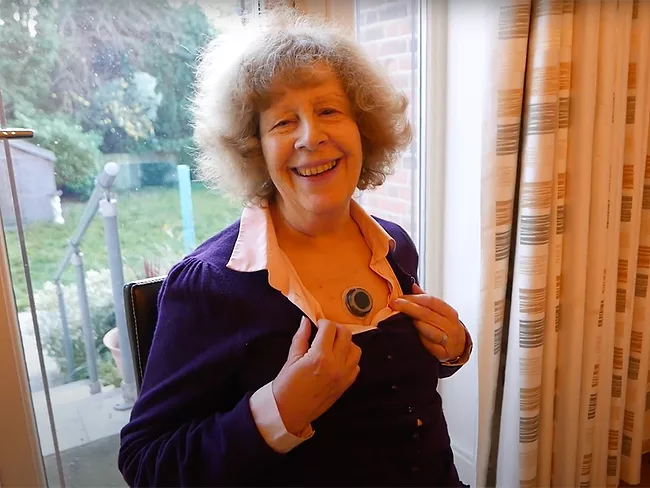
With a waiting list of some 90,000 people, startup company Charco Neurotech Ltd. is seeing growing demand for its Cue1 device which has shown to reduce the symptoms of Parkinson’s disease in patients suffering from the condition. The Cue1 is a non-invasive device that can literally change the day-to-day lives of people living with Parkinson's, Lucy Jung, CEO and co-founder of Charco, told BioWorld.
Aiming to provide additional utility and information to its continuous glucose monitors (CGMs), Dexcom Inc. is tying in the nutrition information provided by Rxfood Corp.’s app for customers in Canada. Clinics, hospitals, pharmacies, health plans, employers and others can make the app available to the beneficiaries and patients who use the Dexcom G6 or G7 systems, once the program is rolled out.

 RSS
RSS