The U.S. FDA has issued a draft guidance for devices intended to address opioid use disorder (OUD), a problem with a massive public health footprint that has defied the efforts of public health programs. The draft guidance highlights some of the difficulties in executing pivotal studies for these devices, but the FDA’s July 27 press omits any mention of a 2018 innovation challenge for this category of devices, a programmatic effort that seems to have yielded little in the way of tangible results.
News from Truvian Health Inc. that its benchtop blood testing platform can deliver results similar to those generated by central laboratory is promising for the diagnostic sector still coming to terms with fraudulent claims from companies such as Theranos Inc. and Arrayit Corp. that their various technologies were able to run an array of tests with just a few drops of blood.
Regulatory snapshots, including global submissions and approvals, clinical trial approvals and other regulatory decisions and designations: Beckman Coulter, Hope Vision, Numares.
Med-tech happenings, including deals and partnerships, grants, preclinical data and other news in brief: Arsenal Medical, Cartiheal, Centinel Spine, Edap, Healthbook+, Humacyte, Isabel Healthcare.
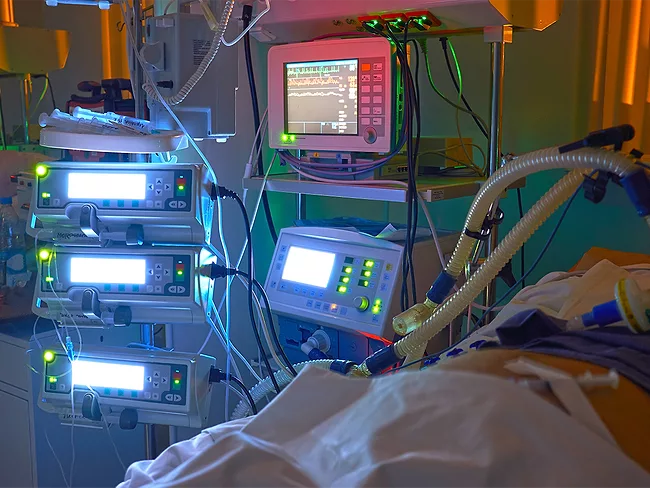
Art Medical Ltd. released data from a study which demonstrated that its Smart+ Platform can maximize feeding efficiency and improve patient outcomes by reducing both ICU length of stay and the length of time on a ventilation by approximately three days. ICU complications related to nutrition pose significant challenges in critical care.
Australia’s Therapeutic Goods Administration (TGA) has issued a regulatory proposal regarding the agency’s approach to audits for devices, a proposal that might reduce the number of these audits. TGA said it may limit audits to the highest-risk devices and may eliminate them for devices that have been granted market access in other regulatory jurisdictions.
Researchers in London have cut through the complexity of the genetics underlying bipolar spectrum disorder (BSD) to discover single nucleotide polymorphisms they say are specific enough to form the basis of the first ever biomarker-based diagnostic test in psychiatry.

 RSS
RSS