Device recalls pop up with no regard to human appreciation for seasonality, and thus it was that recalls involving three major medical device makers emerged as the steamy month of July gave way to the arid, oppressive swelter of August. These recalls affected more than 7,500 units of the Trusignal pulse oximeter by GE Healthcare Technologies Inc., nearly 23,000 units of the Sigma Spectrum and Spectrum IQ infusion pumps by Baxter Healthcare Corp., and an unspecified number of units of the Carina ventilator by Drägerwerk AG, all of which adds a little more than the usual heat to the device industry’s dog days.
Med-tech happenings, including deals and partnerships, grants, preclinical data and other news in brief: Bigomics, Bio-Gate, Bodyport, Caredx, Click Therapeutics, Concertai, Dnanexus, Guardant, Gynesonics, Immprev Bio, Karius, Syneos Health, Terarecon.
Regulatory snapshots, including global submissions and approvals, clinical trial approvals and other regulatory decisions and designations: Alucent, Sonio.
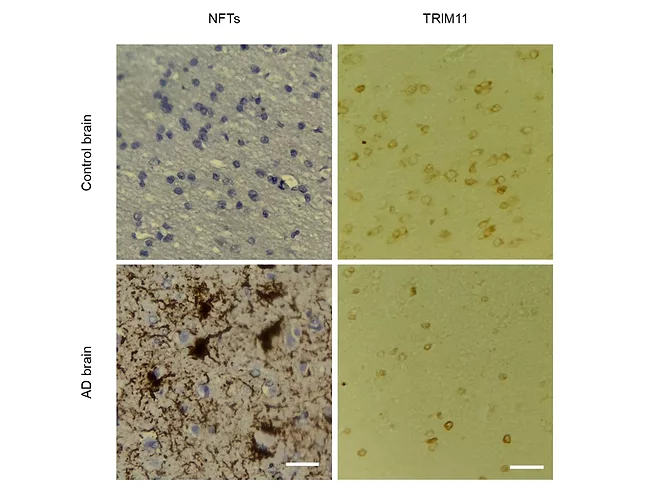
Protein quality control research is “almost exclusively focused on heat shock proteins, which are ubiquitously present” up and down the evolutionary chain, Xiaolu Yang told BioWorld. But “for more sophisticated organisms, which we humans like to think we are, it’s a little odd that we still use the system that bacteria started with…. It seems like we should have something more. The TRIM system,” he added, “fills that gap.”
The U.S. FDA unveiled a proposal to once again reshuffle its operations, this time with a greater degree of emphasis on the function of the Office of Regulatory Affairs (ORA). Tim Philips, a consultant with Gardner Law and a former member of the FDA, told BioWorld that while these changes will likely yield some useful efficiencies, they might also dilute some of the more useful interaction between industry and FDA, a loss that may be keenly felt when it comes to matters such as FDA inspections.
A new bacteriophage-based rapid test has the potential to identify the specific pathogen causing a urinary tract infection (UTI) at the point of care, enabling targeted use of antibiotics.
The test uses naturally occurring phages identified as predators of Escherichia coli, Klebsiella and Enterococci that are genetically modified to make any bacterium they invade bioluminescent.
In a proof-of-concept study, researchers at ETH Zurich, Switzerland, were able to reliably detect the pathogenic bacteria in a urine sample in less than four hours. That compares to the 18 – 30 hours it takes to culture samples in a central lab and to identify a specific microbe using conventional diagnostics.
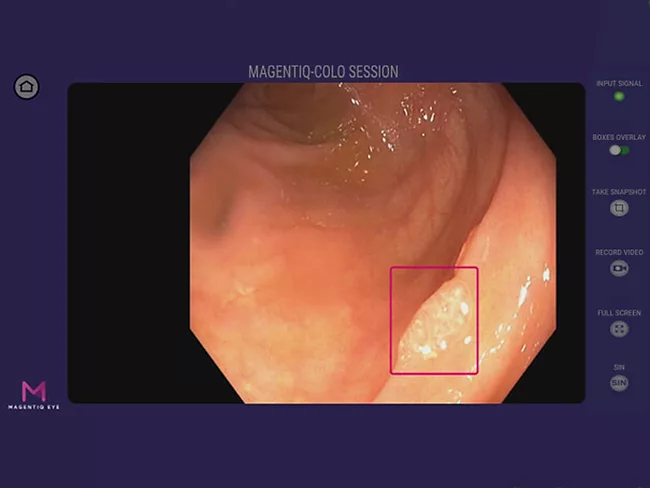
Magentiq-Eye Ltd. received U.S. FDA 510(k) clearance for its Magentiq-Colo, an artificial intelligence (AI) gastrointestinal software system that helps detect lesions in real time during colonoscopy procedures. With the rate of colorectal cancer expected to increase steadily through the decade, the company hopes that Magentiq-Colo will offer the gastroenterology community and its patients a significant increase in the adenoma detection rate.
Regulatory snapshots, including global submissions and approvals, clinical trial approvals and other regulatory decisions and designations: Becton, Dickinson and Company, Etiometry, Sirius Medical, Terumo.

 RSS
RSS