The threat of tariffs on imports of branded drugs is about to be realized after U.S. President Donald Trump announced a 100% import duty will apply beginning Oct. 1. However, the flurry of recent announcements by pharma companies of investments in U.S. manufacturing plants may have paid off, with the president saying in his announcement on Truth Social that the 100% rate will be enforced “unless a company is building their manufacturing plant in America.”
As is the case with the Made in China 2025 initiative, the Make in India program has at least a decade of history to look back on, with some benefits accruing to the nation’s med-tech sector. All the same, Gunjan Bagla, CEO of Los Angeles-based Amritt Inc., told BioWorld that the initiative could be more successful if the legislature would tweak the laws to create a more helpful environment for industry.
China’s National Medical Products Administration is arguably more active than regulatory agencies in many nations in advancing guidance for AI in medical technology, but Chang-Hong Whitney, President/CEO of Whitney Consulting Ltd., told BioWorld that the premarket review process still carries some unpredictability.
Japan’s Pharmaceuticals and Medical Devices Agency has traditionally been less than receptive to clinical data from other nations, but that aversion is slowly giving way. Ames Gross of Pacific Bridge Medical told BioWorld that a trial conducted in another nation with significant representation of those of Japanese ancestry can go a long way toward obviating the need for a trial conducted in Japan.
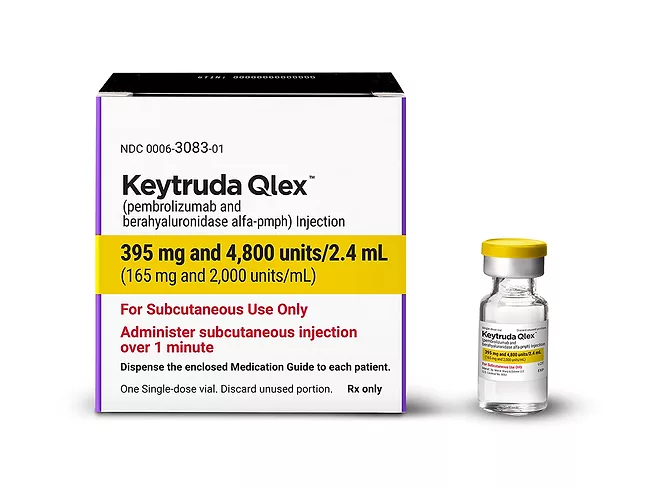
The U.S. FDA approved Merck & Co. Inc.’s Keytruda Qlex (pembrolizumab and berahyaluronidase alfa-pmph) injection on Sept. 19, making it the first and only subcutaneously (SC)-administered immune checkpoint inhibitor that can be administered in about a minute.
The first new U.S. FDA-approved therapeutic option for PTSD in more than 20 years will have to wait. A supplemental NDA seeking approval of Rexulti (brexpiprazole) combined with sertraline, filed by one of Japan’s biggest pharmas, Otsuka Pharmaceutical Co. Ltd., received a complete response letter (CRL) from the agency.
South Korea’s Ministry of Food and Drug Safety announced Sept. 12 plans to significantly raise drug application fees for biosimilars but slash their review times starting next year.
Several South Korean biotech and biopharmaceutical companies completed IND submissions or won nods to start clinical trials in either the U.S. or South Korea, including SK Bioscience Co. Ltd., Genosco Inc., Pimedbio Inc., Sillajen Inc. and Ami Pharm Co. Ltd.
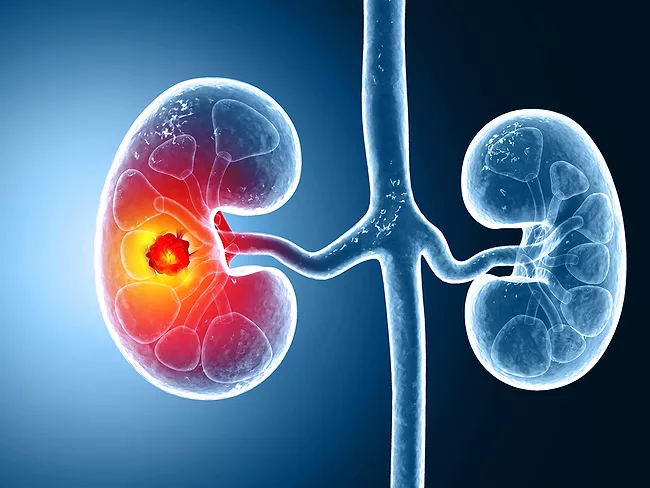
Telix Pharmaceuticals Ltd. received an FDA complete response letter (CRL) a day after the Aug. 27 PDUFA date for its BLA for radiopharmaceutical renal cancer imaging agent, Zircaix (TLX250-CDx, 89Zr-DFO-girentuximab).
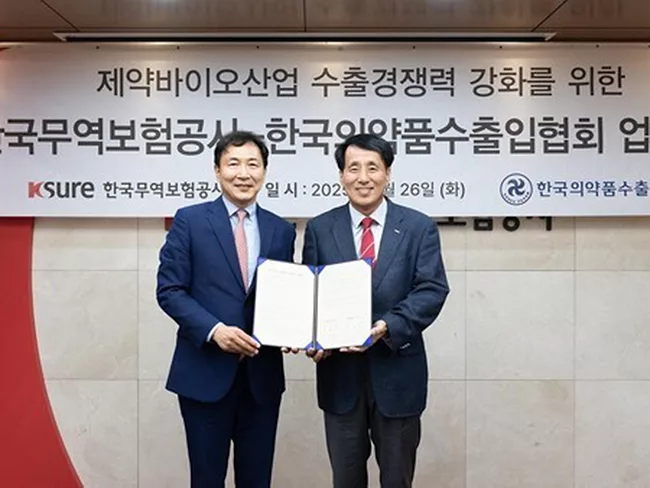
The Korea Pharmaceutical Traders Association said Aug. 26 that it signed a strategic agreement with Korea Trade Insurance Corp. to support South Korean companies exporting biopharmaceutical materials overseas.
 RSS
RSS