“I need to be honest with you about something important. Most previous Ebola outbreaks in the Democratic Republic of Congo (DRC) were caused by a virus called Ebola Zaire, for which we have vaccines and treatments. This outbreak is caused by a different virus called Ebola Bundibugyo. There are currently no approved vaccines or treatments for it.” This was the stark message from Tedros Adhanom Ghebreyesus, director general of the World Health Organization (WHO) in an open letter to the people of the DRC, as he traveled to the country on Friday, May 29.
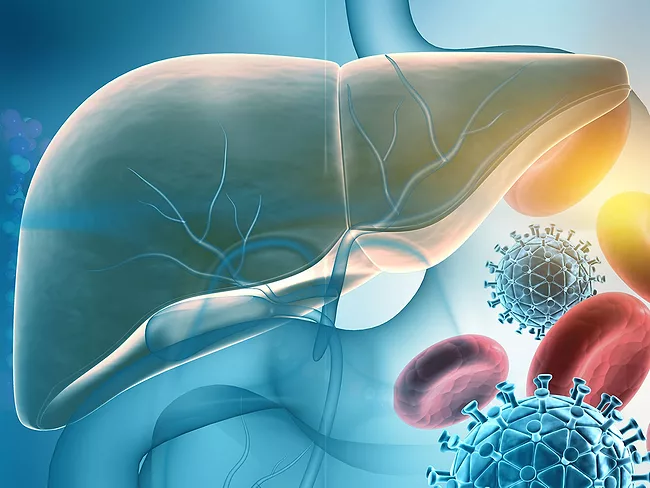
GSK plc has announced a breakthrough in the treatment of chronic hepatitis B, reporting a functional cure rate of 19% across two phase III trials of its antisense oligonucleotide bepirovirsen.
There are initial signs that President Donald Trump’s most-favored nation (MFN) policy may be further delaying access to new drugs in Europe, as companies hold off commercializing in these countries to avoid lower European prices being referenced in the U.S.
Less than two weeks after the outbreak was officially declared, animal studies of a newly designed vaccine against the Bundibugyo Ebola virus are now underway in the U.S. and U.K., and the Serum Institute of India is standing ready to manufacture the vaccine for clinical trials. If the animal tests are positive, the vaccine will be ready for clinical trials in two to three months.
Less than two weeks after the outbreak was officially declared, animal studies of a newly designed vaccine against the Bundibugyo Ebola virus are now underway in the U.S. and U.K., and the Serum Institute of India is standing ready to manufacture the vaccine for clinical trials. If the animal tests are positive, the vaccine will be ready for clinical trials in two to three months.
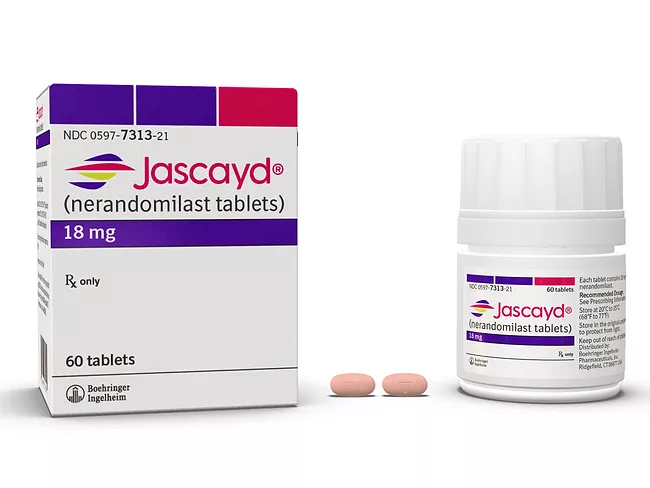
As generic versions of its blockbuster drug Ofev (nintedanib) start to hit the market, Boehringer Ingelheim GmbH looks to have swerved the patent cliff, with European and Japanese regulators both approving a potential replacement, Jascayd (nerandomilast), this week. At its monthly meeting, the EMA’s Committee for Medicinal Products for Human Use also recommended Novartis AG’s Vijoice (alpelisib) be given conditional approval in the treatment of PIK3CA-related overgrowth spectrum disorders.
Infex Therapeutics Ltd. has published positive phase IIa data for its lead program, RESP-X, in the treatment of exacerbations of chronic respiratory infections caused by Pseudomonas aeruginosa and is now laying the ground for phase IIb development, after raising £4.3 million (US$5.8 million) in new capital.
There are real world demonstrations of how autonomous artificial intelligence agents are poised to disrupt biomedical research, according to two papers published May 19 in Nature. Each describes an AI system that assists across the piece, from generating hypotheses to designing experiments, analyzing the data and refining hypotheses in the light of new data.
The threat posed by the Ebola outbreak in the Democratic Republic of Congo has intensified, with the confirmation that it is caused by the Bundibugyo species of the virus, for which there are no approved vaccines or antiviral therapies. At the same time, the high positivity rate, with eight laboratory confirmed cases out of 13 samples collected in various areas, and more reports of suspected cases and clusters of deaths, all point to a potentially much larger outbreak than currently is being detected and reported.
There are real world demonstrations of how autonomous artificial intelligence agents are poised to disrupt biomedical research, according to two papers published May 19 in Nature. Each describes an AI system that assists across the piece, from generating hypotheses to designing experiments, analyzing the data and refining hypotheses in the light of new data.