European biopharmas saw a huge surge in new funding in the second quarter of 2024, raising a collective $4.1 billion, compared to $1.9 billion in the same period of 2023. With the IPO market in Europe still virtually non-existent, $1.45 billion of this was venture capital, while $2.64 billion was raised in follow-on funding. The majority of VC funding was raised by companies in five countries, with $799.6 million raised in the U.K., $272.5 million in Switzerland, $201.8 million raised in Germany, $59 million in France and $25.7 million in Sweden.
After decades of being woefully under-diagnosed and all but ignored by the biotech and pharma industry, recent advances in understanding its complex etiology could be opening the way to new treatments for endometriosis. Impetus is coming from (modest) increases in funding for basic research, such as the Biden administration’s $200 million for women’s health research and NIH grants under an ‘Advancing cures and therapies and ending endometriosis diagnostic delays’ call announced in March of this year.
Levicept Ltd. is scoping the options for phase III development after reporting positive results from its phase II trial of LEVI-04 in the treatment of pain caused by osteoarthritis of the knee. The full data are yet to be published, but the company said the potentially first-in-class neurotrophin-3 inhibitor demonstrated significant differences from placebo, with a mean reduction in pain score from baseline of more than 50%, for the three doses tested.
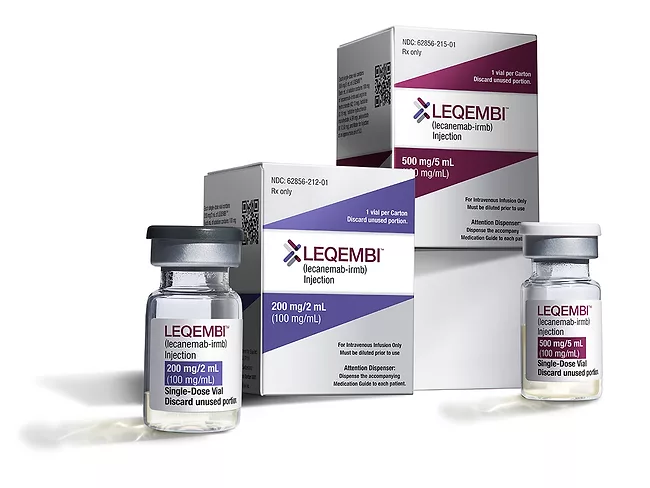
The EMA’s Committee for Medicinal Products for Human Use (CHMP) recommended approval of 14 drugs and the extension of the label of 11 others at its July meeting, but, inevitably, it was the decision to turn down the Alzheimer’s disease therapy Leqembi (lecanemab) that stirred the greatest reaction.
The scene has been set for research into gene misexpression across different tissues, to understand the part it plays in a range of diseases and search for new drug targets, following publication of the first comprehensive survey of where genes are active when they are expected to be switched off.
Draupnir Bio is poised to advance a new approach to targeted protein degradation by engaging the sortilin receptor on lysosomes to promote the destruction of extracellular and membrane-bound disease proteins.
GPCR drug discovery and development specialist Confo Therapeutics NV has closed a €60 million (US$65.2 million) series B round that will fund a significant expansion of the inhouse portfolio while it continues to turn the handle on its technology platform to generate more compounds for partnering.
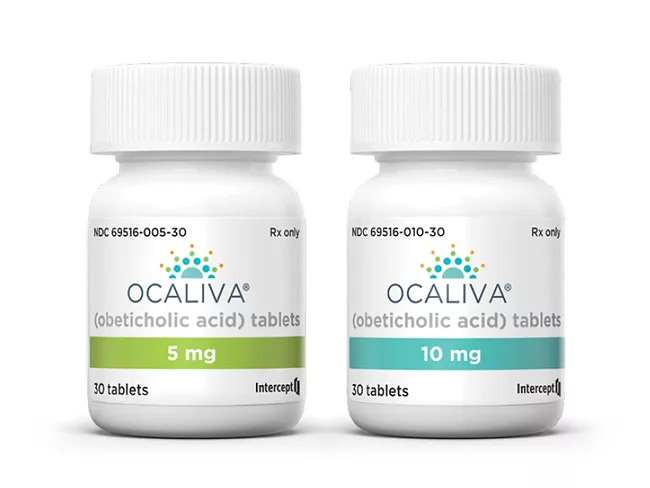
Those affected by primary biliary cholangitis (PBC) are fighting back against the recommendation by the EMA that the marketing authorization for Ocaliva (obeticholic acid), a second-line treatment used by 7,000 patients in Europe, be withdrawn. Earlier today, July 25, patients and their supporters staged a protest outside the European Commission building in Brussels to oppose EMA’s position that Ocaliva’s conditional license should be revoked.
Catalym GmbH has closed a $150 million series D to take its first in class immune potentiator visugromab into phase IIb development in a number of solid tumors. The round follows on the heels of data from a phase I/IIa trial which showed visugromab in combination with the PD-1 inhibitor antibody Opdivo (nivolumab, Bristol Myers Squibb) increased T-cell infiltration and generated durable antitumor responses in patients who had exhausted all other treatment options.
Asceneuron SA has raised $100 million in an oversubscribed series C to take its lead small molecule, ASN-51, into phase II, with aim of demonstrating it prevents the formation of tau tangles and slows the progression of Alzheimer’s disease.