Genomics is moving out of the research lab to become a routine element of health care, particularly in oncology to detect gene variants that indicate a patient will respond to a targeted cancer drug, and in the diagnosis of rare diseases.
Owkin Inc. has secured CE marking for two first-in-class artificial intelligence (AI)-based diagnostics, marking a move from research use only and towards the mainstream for AI in enabling faster and more efficient analysis of digital pathology slides.
Astrivax BV has raised €30 million (US$30.1 million) in a seed round to take forward the development of a novel vaccine technology that combines a plasmid vector with a replication-competent virus.
Research over the past decade has shown embryonic stem cells can undergo many disparate aspects of mammalian embryogenesis in vitro. But without the support of extra-embryonic stem cells that go on to form the placenta and yolk sac, development stalls. Now, two groups of researchers, led by scientists at the Weizmann Institute in Israel and Cambridge University, U.K., have taken the in vitro development of whole mouse embryos further, by adding or inducing the differentiation of trophoblast cells and extra-embryonic endoderm stem cells.
Researchers have created mouse embryos entirely from stem cells in vitro that formed a brain and a beating heart and lay the foundations for all the other organs of the body.
The synthetic embryos faithfully mimic the development of their natural counterparts in utero for 8.5 days, before hitting a roadblock and becoming disorganized.
Research over the past decade has shown embryonic stem cells can undergo many disparate aspects of mammalian embryogenesis in vitro. But without the support of extra-embryonic stem cells that go on to form the placenta and yolk sac, development stalls. Now, two groups of researchers, led by scientists at the Weizmann Institute in Israel and Cambridge University, U.K., have taken the in vitro development of whole mouse embryos further, by adding or inducing the differentiation of trophoblast cells and extra-embryonic endoderm stem cells.
Cumulus Neuroscience Ltd. published a study demonstrating its home use electroencephalogram (EEG) can turn in more precise results than supervised laboratory-based assessments.
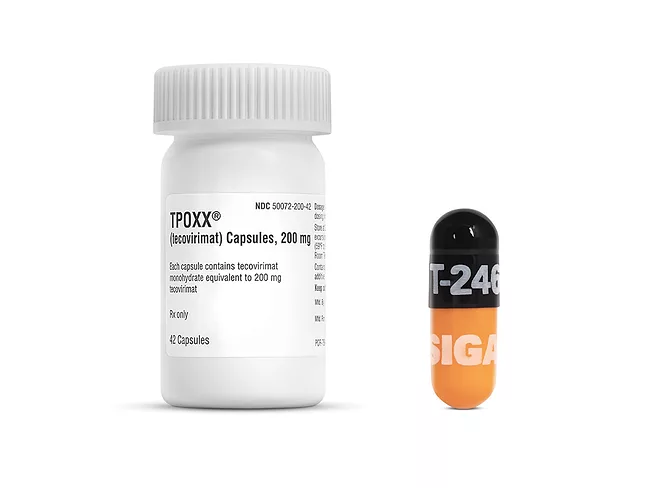
The first randomized placebo-controlled trial assessing the effectiveness of the antiviral drug Tpoxx (tecovirimat) in treating monkeypox has begun in the U.K., with the first patients enrolled on Aug. 21.
Noninvasive electrical stimulation of the brain for 20 minutes per session over four days has been demonstrated to improve both working- and long-term memory for at least one month, in people ages 65 to 88.
A study involving more than 1.25 million people in the U.S. has shown there is an increased risk of developing certain neurological and psychiatric conditions for up to two years after COVID-19 infection, and that despite causing less serious disease in the acute phase, the risk with omicron is the same as with the delta variant of SARS-CoV-2.