The U.K. government has doubled the rate that pharmaceutical companies must repay on sales of branded drugs, under the statutory rebate scheme, to a record 31.3%. Only 1-2% of total sales of branded drugs fall under the statutory scheme, but the increase is seen as a sign that an ongoing review of the voluntary scheme is not going well.
Three months after dosing the first patient with its dual vector gene therapy, Splicebio SL has closed a $135 million series B to fund the phase I/II trial of SB-007 in the treatment of Stargardt’s disease to completion. Other adeno-associated viru gene therapies for the inherited retinal disorder have entered the clinic, but SB-007 is the first with the capacity to deliver a full version of the ABCA4 gene that underlies Stargardt’s.
The U.K. Medicines and Healthcare products Regulatory Agency (MHRA) has issued its first official guidance on how to develop bacteriophages as licensed medicinal products. This covers personalized phage therapies designed for specific patients – at present the only form in which they are available – but also is relevant to the development of off-the-shelf products for treating common infections.
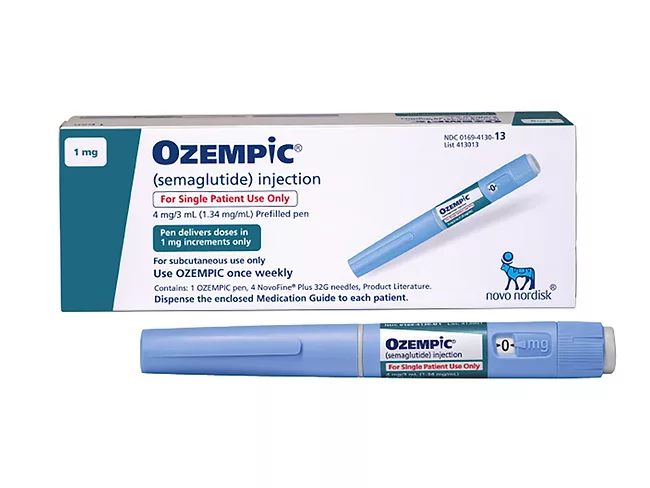
The EMA’s safety committee has issued a warning that the GLP-1 receptor agonist Ozempic (semaglutide, Novo Nordisk A/S) can cause an acute eye condition in which the optic nerve is damaged by a sudden loss of blood supply. After reviewing several large epidemiological studies, clinical trial and in-market data, EMA’s Pharmacovigilance Risk Assessment Committee has concluded non-anterior ischemic optic neuropathy is a “very rare” side effect of Ozempic, that “may affect up to one in 10,000 people taking semaglutide.
The EMA has issued a new guideline on how to include and/or retain pregnant and breastfeeding women in clinical trials, in a move that it says “marks a change in the paradigm.” The aim is to ensure that trial sponsors generate robust clinical data in these populations.
The row between pharma companies and the U.K. government over rebates has intensified, with the Association of the British Pharmaceutical Industry calling up its members to speak on the record, as it ramps up the campaign against paying back over 23% on sales of branded drugs.
Privately held Beckley Psytech Ltd. is to be taken over by Atai Life Sciences in an all-share deal that values the U.K. psychedelic drug specialist at $370 million. After making a $50 million investment in January 2024, Berlin-based Atai already owns 36% of Beckley. It will now issue 105 million new shares to its fellow Beckley investors, giving them 34% ownership of the merged company.
Sanofi SA is to acquire Blueprint Medicines Inc. in a $9.5 billion deal that will give the French pharma ownership of a marketed rare disease immunotherapy heading toward blockbuster status, a follow-on product in phase II/III, and a phase II clinical program relevant to a number of autoimmune diseases.
The EU is having another go at improving access to capital for biotechs and science-based startups, in a bid to enable them to remain anchored in Europe. The Startup and Scaleup strategy, announced on May 28, is a response to the long-running problem that although Europe has strong foundations in its academic research, the innovative companies this science spawns often end up being acquired by U.S. companies, or moving to the U.S. to list on Nasdaq or the New York Stock Exchange.
Researchers in the U.K. have overthrown the orthodox view that childhood cancers have a low mutation burden, opening up new drug targets and opportunities for repurposing existing therapies. In particular, a high mutation rate is associated with a response to cancer immunotherapy. But although PD-1 checkpoint inhibitors are approved for treating pediatric cancers with a high level of microsatellite instability mutations, in general it is thought childhood tumors are not amenable to immunotherapy.