Technically speaking, the scientific community as a whole cannot say for sure whether and how well Aduhelm (aducanumab, Biogen Inc./Eisai, Co., Ltd.) works. After all, two years after the initial report of the Engage and Emerge data at the 2019 Clinical Trials in Alzheimer’s Disease (CTAD), the full trial data have still not been published in a peer-reviewed publication. Which, of course, is one of the problems with Aduhelm.
Investors were thrilled when Roche Holding AG subsidiary Genentech Inc. and AC Immune SA reported top-line results from the Lauriet trial on Aug. 31, giving a positive jolt to AC Immune’s stock on the day of the announcement. At the Clinical Trials in Alzheimer’s Disease 2021 meeting, the reaction of the medical community was more skeptical.
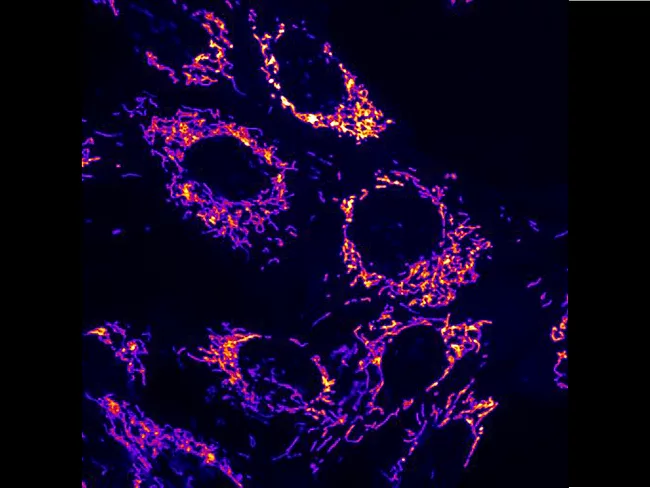
Investigators at Northwestern University’s Feinberg School of Medicine have used a new mouse model of Parkinson’s disease to confirm a causal role for mitochondrial dysfunction in Parkinson’s disease. More surprisingly, the same model has called into question previously uncontroversial notions about the motor features that are PD’s most conspicuous feature.
The sprint of fighting COVID-19 has been in respiratory medicine. For patients who become acutely ill, the short-term danger is in respiratory failure. But increasingly, it seems like the pandemic’s marathon fight may come to be against the neurological symptoms of COVID-19.
Investigators at Northwestern University’s Feinberg School of Medicine have used a new mouse model of Parkinson’s disease to confirm a causal role for mitochondrial dysfunction in Parkinson’s disease. More surprisingly, the same model has called into question previously uncontroversial notions about the motor features that are PD’s most conspicuous feature.
By using an unsupervised machine learning approach to look at genetic variation across the protein-coding genomes of 140,000 species, researchers at Harvard Medical School and Oxford University have developed a new variant classifying system that performed on a par with wet lab approaches.
At a recent lecture at the U.S. National Institutes of Health, Mehta, who is chief of the laboratory of inflammation and cardiometabolic diseases at the National Heart Lung and Blood Institute and an adjunct professor of medicine at George Washington University, described his insights into the links between psoriasis, inflammation and cardiometabolic disease.
By increasing the expression of the chloride transporter Kcc2 (K-Cl cotransporter 2), researchers at Duke University have reduced chronic pain in mouse models of nerve pain and bone cancer.
On the last day of this year’s Molecular Targets meeting, an annual joint conference of the American Association for Cancer Research, the National Cancer Institute and the European Organization for the Research and Treatment of Cancer, the final plenary went from molecular to macro in a lively discussion of the biggest roadblock in cancer drug development, and what can be done to improve it.
On the last day of this year’s Molecular Targets meeting, an annual joint conference of the American Association for Cancer Research, the National Cancer Institute and the European Organization for the Research and Treatment of Cancer, the final plenary went from molecular to macro in a lively discussion of the biggest roadblock in cancer drug development, and what can be done to improve it.