BioWorld looks at translational medicine, including: Overfeeding slows down liver’s response to glucose changes; Oncolytic virus combines best of both immune worlds.
Keeping you up to date on recent developments in oncology, including: Nanoparticles may blunt TRIM37’s impact on metastasis in triple-negative breast cancer; Glycolysis inhibition via collateral lethality; Making exceptional responders unexceptional; Protons may spare cancer patients a hit to the heart.
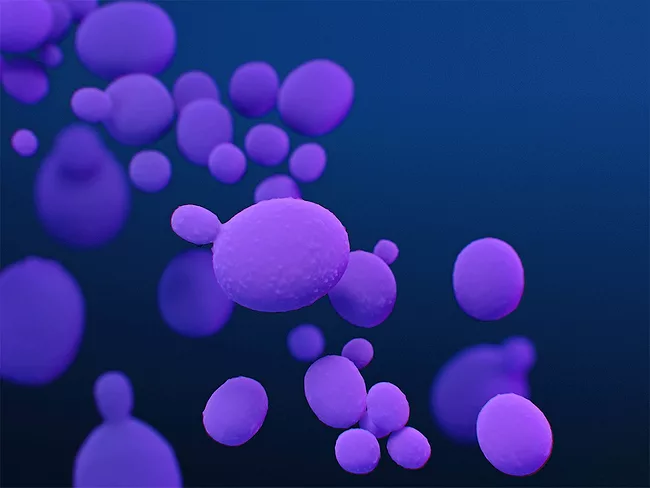
By screening the microbiomes of marine organisms, scientists at the University of Wisconsin have identified nearly 150 potential new antifungal compounds, they reported in the November 20, 2020, issue of Science.
Keeping you up to date on recent developments in oncology, including: Prolonged androgen-deprivation therapy confirmed as hit on CV health; Nanoparticle fights pancreatic cancer’s chemo resistance; Linking two liver cancer culprits; Reversal of pumping direction is reversal of fortune for tumor cells; Active surveillance backed for Black men with prostate cancer.
Researchers at the University of California at San Francisco have developed a method to diagnose any known pathogen from any body fluid within a day – or, depending on the sequencing method, within a few hours. For an unknown pathogen, the method spits out its nearest known relative.
BioWorld looks at translational medicine, including: Reversal of pumping direction is reversal of fortune for tumor cells; Cholesterol drug affects checkpoint blockade via MHC1; Heart development protein has role in adult immunity.