Eli Lilly and Co. is paying $13.5 million to bow out of a class action lawsuit that claimed the list price of several insulin analogue products was fraudulent. Lilly also committed to capping the monthly patient out-of-pocket cost at $35 for its insulin products for at least four years, bringing the total value of the settlement, announced May 26, to more than $500 million, according to the attorneys who filed the class action on behalf of patients in 2017.
Mixing a trendy drug for a global health problem like obesity with a demand that far exceeds the supply cooks up a recipe too good for counterfeiters to ignore.
Mixing a trendy drug for a global health problem like obesity with a demand that far exceeds the supply cooks up a recipe too good for counterfeiters to ignore. That’s the problem patients are facing with Novo Nordisk A/S’ semaglutide products, Ozempic and Wegovy, which have been in short supply all over the world since early last year due to significant, and unexpected, demand for weight management.
The U.S. Centers for Medicare & Medicaid Services (CMS) is flexing its new authority in a proposed rule intended to clamp down on drug prices by providing more transparency in the Medicaid program.
When it comes to cutting health care costs in the U.S., last year’s Inflation Reduction Act, with its inflationary rebates and direct Medicare negotiations, was just Act 1. Now lawmakers, in both the House and Senate, are feverishly working on bipartisan scripts for Act 2 that go beyond biopharma’s role in drug prices to taking on pricing issues across the health care sector.
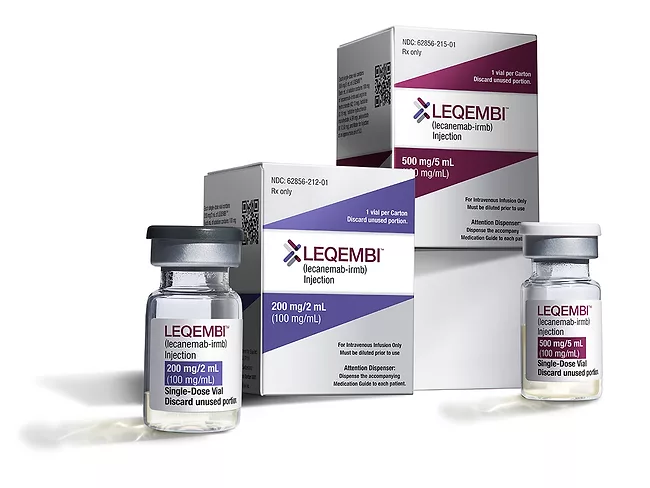
As the clock ticks toward the “full,” or traditional, approval date for Biogen Inc./Eisai Co. Inc.’s Alzheimer’s drug, Leqembi (lecanemab), the U.S. Centers for Medicare & Medicaid Services (CMS) is facing increasing pressure to get the structures in place to ensure Medicare beneficiaries have access to the drug when the approval comes.
The roadmap and conservative substitution methods Amgen Inc. laid out to “enable” its genus claims for antibodies that inhibit PCSK9 to lower LDL cholesterol are “little more than two research assignments,” the U.S. Supreme Court said in a unanimous opinion handed down May 18 in Amgen Inc. v. Sanofi SA that gave the win to Sanofi. The roadmap “merely describes step-by-step Amgen’s own trial-and-error method for finding functional antibodies — calling on scientists to create a wide range of candidate antibodies and then screen each to see which happen to bind to PCSK9 in the right place and block it from binding to LDL receptors,” the court said in the decision written by Justice Neil Gorsuch.
The U.S. FDA’s release of its briefing document for the upcoming advisory committee meeting on obeticholic acid 25 mg as a fatty liver disease treatment sent Intercept Pharmaceuticals Inc. on a downwards spiral May 17. Soon after the document was released, Intercept stock (NASDAQ:ICPT) dropped as low as $11.41 – down almost 30% from its May 16 close of $16.21. As the day wore on, it regained some of that lost value in heated trading that was more than eight times the company’s average daily volume of 782,285. The rebound helped Intercept close the day at $13.83, down about 15%.
The U.S. FTC’s unprecedented antitrust challenge to Amgen Inc.’s $27.8 billion acquisition of Horizon Therapeutics plc, could be a disruptor to biotech investment if the agency is victorious, some analysts are warning. “With essentially zero commercial overlap [between the two companies], this deal would seem to be a slam dunk under long-established antitrust considerations,” said Christopher Raymond, a senior research analyst with Piper Sandler Research.
Nearly a year and a half after Francis Collins stepped down as director of the U.S. NIH, President Joe Biden announced May 15 his intent to nominate Monica Bertagnolli as the next NIH director.