With one program in the clinic and another not far behind, Generate Biomedicines Inc. raised $273 million in a series C financing to advance its generative biology platform. It is one of the largest venture capital (VC) rounds for a U.S. company in 2023. Funds will go toward advancing the Somerville, Mass.-based company’s 17 pipeline programs, including the filing of multiple IND applications in 2024.
Shares of Corvus Pharmaceuticals Inc. (NASDAQ:CRVS) sank 21.5% on Sept. 7, even though the company confirmed a phase III plan with the U.S. FDA for its ITK inhibitor, soquelitinib, to treat relapsed peripheral T-cell lymphoma (PTCL).
On track to move its lead candidate, MC-339, into the clinic for small-cell lung cancer in 2024, Mariana Oncology Inc. raised $175 million through an oversubscribed series B round co-led by Deep Track Capital and Forbion. The radiopharmaceutical company was incubated for 18 months before raising $75 million through a series A in December 2021, and has since built out its R&D division and a phase I/II manufacturing unit. It currently has 50 employees.
Sage Therapeutics Inc. is reducing its workforce by 40% and pausing its earlier-stage programs, just a few weeks after receiving mixed news of both a U.S. FDA approval and a complete response letter for its depression drug Zurzuvae (zuranolone). The move offers the Cambridge, Mass.-based company an annualized net savings of approximately $240 million, 60% of which is related to R&D, and will extend its runway into 2026.
In response to the Biden administration announcing on Aug. 29 the first 10 medications up for price negotiations with the Centers for Medicare & Medicaid Services as part of the Inflation Reduction Act of 2022, U.S. Senate and House Republicans are firing back, calling the imposed “price-controls set by Washington bureaucrats” part of a scheme that “will lead to higher prices for new drugs coming to market, stifle the development of new cures and destroy jobs,” ultimately driving up costs for seniors.
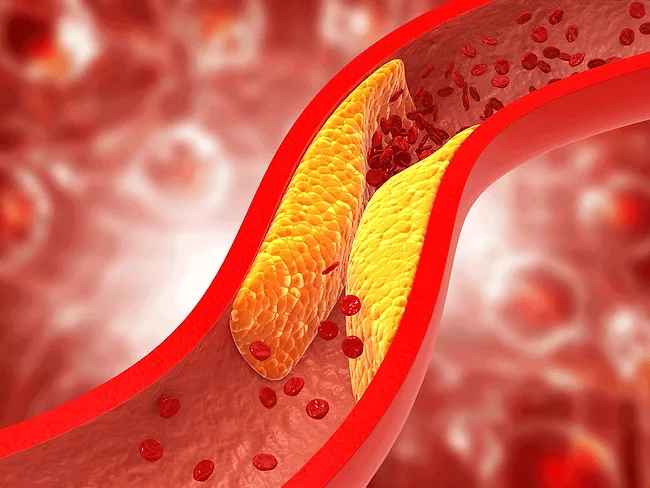
Heterozygous familial hypercholesterolemia (HeFH) patients treated with lerodalcibep achieved a 58.6% reduction in LDL-cholesterol at week 24 and a 65% reduction at the mean of weeks 22 and 24 in the phase III trial Liberate-HeFH. The developer, Cincinnati-based Lib Therapeutics Inc., was founded in 2015 when it licensed the technology from Bristol Myers Squibb Co. but is just now emerging from stealth.
The first special purpose acquisition company (SPAC) merger announced in 2023 has fallen apart. Aprinoia Therapeutics Inc. and Ross Acquisition Corp. II mutually agreed to call off the merger that had been valued at $280 million. The failed deal is part of a larger trend that has gained momentum in the past year as a struggling economy and tighter U.S. SEC restrictions dampened SPAC deals.
Shares of Fulcrum Therapeutics Inc. shot up 38.5% on Aug. 22 following news that the U.S. FDA had lifted the clinical hold on the company’s phase Ib sickle cell disease candidate, FTX-6058.
Building out its metabolic franchise, Novo Nordisk A/S is buying privately held Montreal-based Inversago Pharma Inc. for up to $1.075 billion, gaining lead asset INV-202, an oral cannabinoid 1 (CB1) inverse agonist. The candidate has demonstrated weight loss potential in a phase Ib trial and is currently in a phase II for diabetic kidney disease. Novo Nordisk’s interest in INV-202 is to explore its potential for obesity and obesity-related complications.
Investors have known for some time that the GLP-1 receptor agonist class offers tremendous promise for treating the underserved obesity population worldwide, but news from Novo Nordisk A/S on cardiovascular outcomes data sent a shiver throughout the space on Aug. 8. Top-line results from the Select trial comparing subcutaneous once-weekly Wegovy (semaglutide) 2.4 mg with placebo showed the treatment reduced major adverse cardiovascular events by a statistically significant 20%.