In the fourth year of the COVID-19 pandemic, the World Health Organization is monitoring two omicron subvariants, BA.5.2 and BF.7, causing a surge of COVID-19 cases in China. It also is keeping abreast of rising XBB.1.5 cases and declining BQ.1 cases in Europe and the U.S., where hospitalizations have increased in recent weeks. Global cases in the last month are trending below the same timepoints in 2020 and 2021, and deaths are significantly down, suggesting a move toward an endemic stage.
Phathom Pharmaceuticals Inc.’s shares sank 31% on news that the U.S. FDA will not take action on the company’s NDA for oral small-molecule potassium-competitive acid blocker vonoprazan by the Jan. 11 PDUFA date.
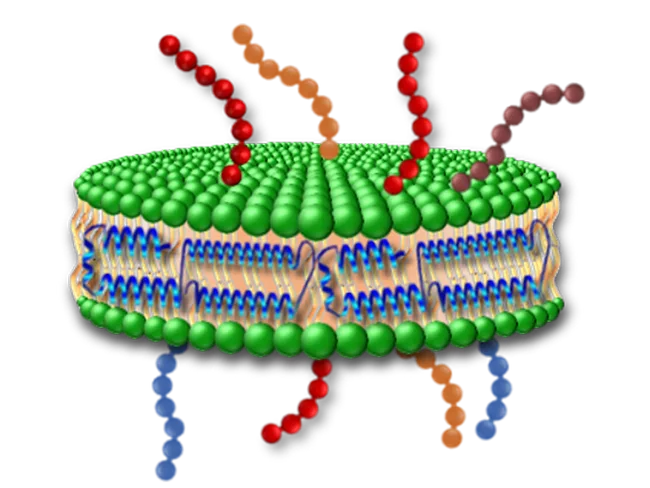
In one of the first large preclinical deals of 2023, Evoq Therapeutics Inc. is licensing for up to $685.5 million its Nanodisc technology to Gilead Sciences Inc. to develop new rheumatoid arthritis and lupus treatments. The potential payout includes up-front fees, an option exercise and milestone payments across both programs. Evoq also could receive tiered royalties on any sales that result.
The proportion of clinical data focused on COVID-19 therapeutics and vaccines has dropped from 21.3% in 2020 at the height of the pandemic to only 7.7% for 2022.
U.S. FDA approvals in 2022 are down by 31.3% compared with last year and clearances for new molecular entities are at the bottom of all recent years. As of Dec. 20, the agency had approved 143 drugs and biologics in 2022, including supplemental filings, just slightly higher than the 138 approvals in 2016, but far behind the 208 approvals recorded in both 2021 and 2017.
As the biopharma industry moves away from the COVID-19 pandemic and expands research in other areas, the amount of money flowing into companies through deals with nonprofit or government entities and grants has plummeted 53% in comparison with 2021. The drop is mainly due to a diminishing number and a lower overall value of bio/nonprofit partnerships. Grants, on the other hand, have risen in both areas.
By several measures, and despite economic hardships leading to layoffs at some companies, the med-tech industry fared well throughout 2022. Financing amounts were greater than nearly every year before the COVID-19 pandemic; deals reached their highest volume to date and mergers and acquisitions did better than most recent years.
It was a grueling year for life sciences companies trying to raise money and keep afloat. Despite the industry’s front-line position in fighting COVID-19, sparking an overzealous enthusiasm, the soaring financings and rising stock prices of 2020 took an about-face beginning in 2021 and dropping even further in 2022. Share prices plummeted amid economic turmoil that included rising inflation, geopolitical pressures, and budgetary threats. Investors closed their wallets just as burn rates increased and funds diminished. Partnering fell to pre-pandemic levels and mergers and acquisitions hit a five-year low. Without capital, the uncertainty led companies to the only other option, workforce reductions and restructurings, pushing aside promising candidates at the expense of patients.
Chatter about an impending acquisition of Horizon Therapeutics plc sent its shares soaring 61% throughout November, making it the best performing stock of the month among the 30 companies that are part of BioWorld’s Drug Developers Index (BDDI).
While biopharma deal values were down year-over-year in November by 7.6%, that gap has now doubled, showing a 15.5% decline in values in 2022. There has been a significant slowdown in activity in the second half of the year. Values were up by 7% in early August 2022. All told, 1,422 deals, including licensings, joint ventures and collaborations, have brought the industry a potential $169.2 billion through the first week of December.