Adult skeletal muscle tolerates a lack of the coenzyme nicotinamide adenine dinucleotide (NAD), according to a study led by scientists at the University of Copenhagen. Their results suggest that adverse effects previously associated with congenital NAD depletion in this tissue may be due to impaired muscle development rather than to a deficiency of this molecule.
Scientists at Institut Pasteur have gained new insights into how some people control HIV-1 replication after interruption of antiretroviral treatment (ART). The investigators found a fingerprint involved in long-term viral remission.
Research of the neuroimmune mechanisms involved in stress-related fear revealed how astrocytes interact with neurons in the amygdala. The study, led by Harvard scientists, also unveiled that this interaction recruited monocytes to the meninges during chronic stress and showed how psychedelic compounds reversed monocyte accumulation in the meninges and reduced fear behavior.
A large-scale study has revealed the impact of germline variants on proteins in 10 cancer types. Scientists from the National Cancer Institute’s Clinical Proteomic Tumor Analysis Consortium (CPTAC) conducted a precision proteogenomic analysis in a pan-cancer study with data from 1,064 patients, identifying tumor heterogeneity and tumorigenesis associated with heritable genetic alterations.
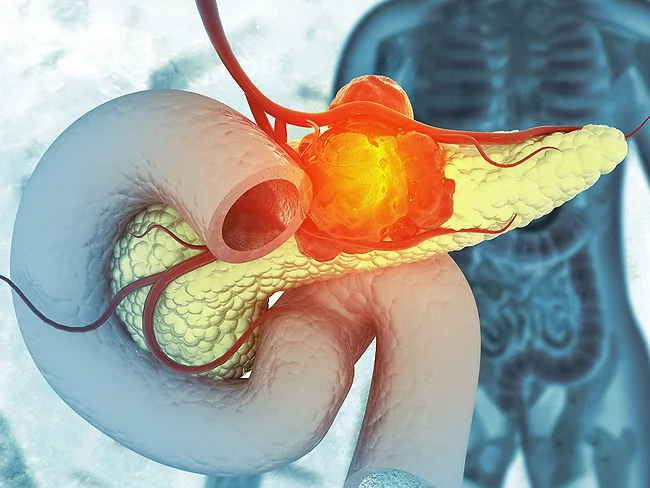
A metabolic vulnerability of pancreatic ductal adenocarcinoma (PDAC) could be used to address this type of cancer that often resists treatments. Scientists at the University of Michigan have discovered that inhibiting the PIKfyve enzyme prevented tumor development and reduced tumor growth by altering the lipid synthesis these cells rely on. The KRAS-MAPK pathway is involved in this process, leading the researchers to suggest that dual inhibitors of PIKfyve and KRAS-MAPK could be an effective therapeutic strategy.
Genes associated with lysosomal dysfunction increase the risk of Parkinson’s disease (PD), according to a study led by scientists at Northwestern University. The discovery also explains why some people who carry a pathogenic variant of the GBA1 gene develop PD or dementia with Lewy bodies (DLB) and others do not. The key lies in the Commander complex, involved in the transport of proteins to this organelle. This discovery raises the need for combinatorial therapies that act on more than one pathway for this type of neurodegenerative disorder.
A large-scale study has revealed the impact of germline variants on proteins in 10 cancer types. Scientists from the National Cancer Institute’s Clinical Proteomic Tumor Analysis Consortium (CPTAC) conducted a precision proteogenomic analysis in a pan-cancer study with data from 1,064 patients, identifying tumor heterogeneity and tumorigenesis associated with heritable genetic alterations. The results provide a broad view of cancer risk that could be useful for patient stratification and the design of prevention strategies.
Stem cell implantation is a step closer to becoming the next strategy against Parkinson's disease. Two clinical trials, one in phase I and the other in phase I/II, have demonstrated their safety and potential to restore dopamine production in the brains of patients with this currently incurable neurodegenerative condition. The number of participants in the study is still small, and further research is needed to demonstrate the clinical benefits of these cell therapies.
Genes associated with lysosomal dysfunction increase the risk of Parkinson’s disease (PD), according to a study led by scientists at Northwestern University. The discovery also explains why some people who carry a pathogenic variant of the GBA1 gene develop PD or dementia with Lewy bodies (DLB) and others do not. The key lies in the Commander complex, involved in the transport of proteins to this organelle. This discovery raises the need for combinatorial therapies that act on more than one pathway for this type of neurodegenerative disorder.
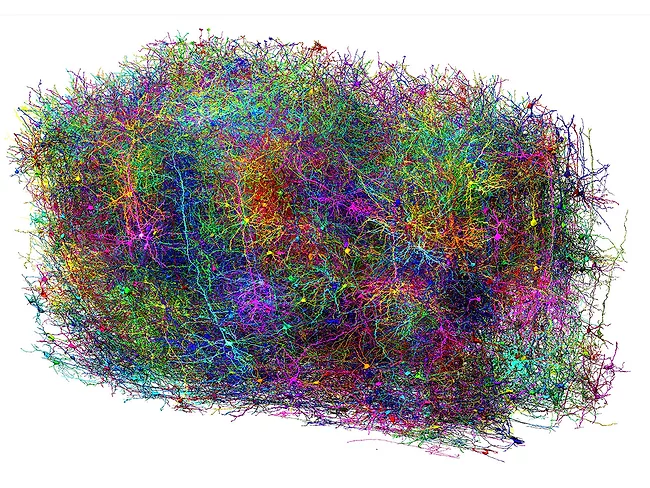
Scientists from the Machine Intelligence from Cortical Networks (MICRONS) consortium have published the microconnectome of a cubic millimeter of the mouse brain. This is the most complete map of this organ to date at nanometer resolution for a mammal. It not only contains the structure and connections of each and every cell in that volume of tissue, but is also linked to the neuronal activity of that portion of the CNS, linking anatomy and function in the same cells.