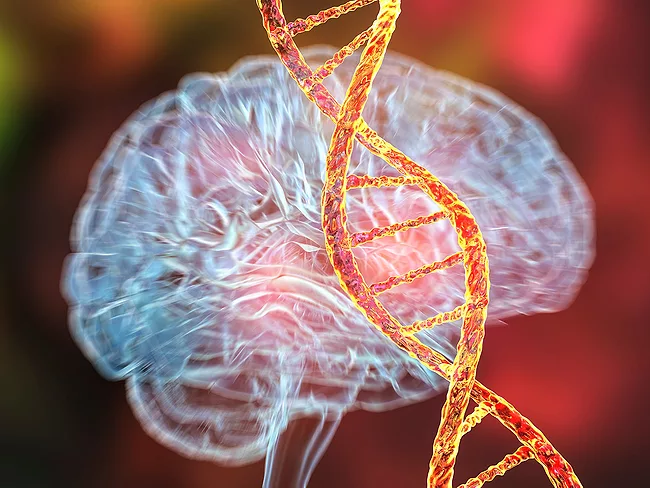
The phenotypic variety of spinocerebellar ataxias (SCAs) not caused by CAG repeat expansion (polyglutamine SCA) is greater than expected. A collaboration directed by scientists of the Paris Brain Institute described seven variants of this disorder in 756 individuals, observing that age at onset and progression by gene and variant can occur from childhood to late adulthood with very different forms of the disease.
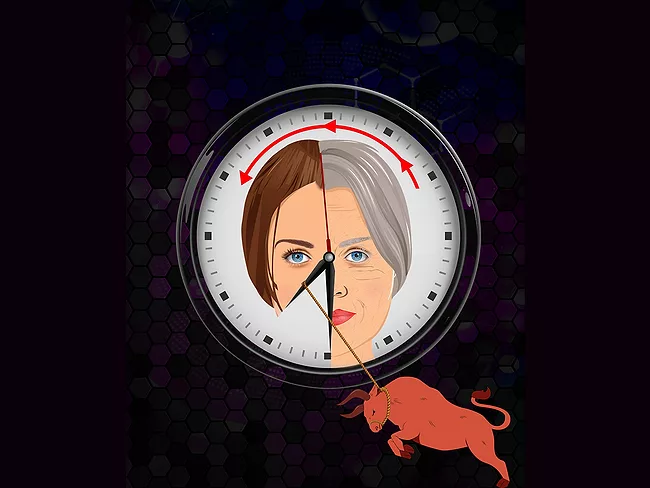
A nutritional supplement to reduce the effects of aging might not be a pill of eternal youth, but it could reduce many of the problems of getting old while maintaining good health. The first step to achieve this is included in a study led by scientists from Columbia University. They have set their sights on the amino acid taurine.
Psychedelic drugs could have two distinct overlapping effects based on their affinity for two receptors involved in neuronal plasticity. Scientists at the University of Helsinki have observed that lysergic acid diethylamide (LSD) and psilocin (a drug isolated from the mushroom Psilocybe mexicana) have an antidepressant effect that is independent of their hallucinogenic outcome. These two different pathways are established through their binding to the tyrosine kinase receptor (TrkB), which has an antidepressant nature, or to the serotonin receptor, with a hallucinogenic activity.
With age, senescent cells become detrimental to tissues. Mayo Clinic scientists have observed this phenomenon in the lung alveoli, where senescent macrophages accumulated in aging tissue and in early stages of non-small-cell lung cancer (NSCLC) driven by the Kras oncogene. “We found that the macrophages were present in the earliest stages of the disease. Strategies targeting these cells for elimination or preventing their accumulation would be worthwhile to test in other conditions (assuming we find they occur),” Darren Baker, a Mayo Clinic senescent cell biologist and senior author of the study, told BioWorld.
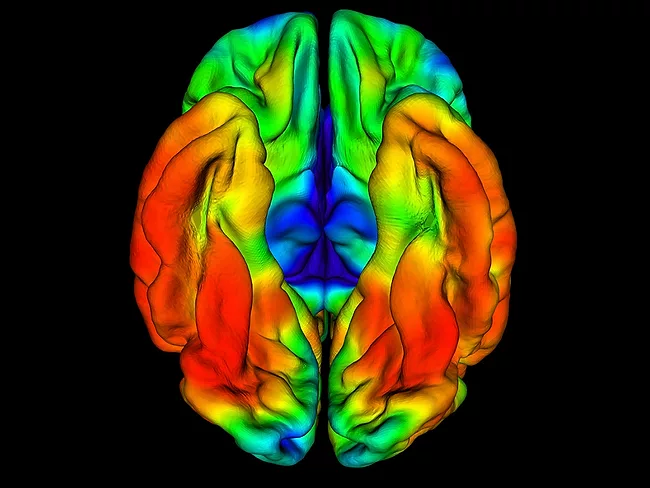
A group of German and French scientists has identified 15 genetic variants in a proteasome protein complex that are related to neurodevelopmental delay and also alter interferon type 1-mediated immune signaling. The finding contributes to the diagnosis of this neurological disorder and gives an opportunity for the development of therapies in patients who have these mutations.
Urinary tract infections (UTIs) are often recurrent. The organism does not always establish an effective line of defense that protects from reinfection. The key lies in two reservoirs of bacteria and how tissue-resident memory T cells (TRMs) trigger the immune response. A recent paper from the Pasteur Institute in France describes how these cells mediate immunity to defeat reinfection.
The discovery of DNA was a milestone in the history of science that led to a breakthrough in biomedical research. By associating disease and genetics, genome correction techniques were ultimately developed that are supposed to work in the same way that antibiotics and antivirals block pathogenic microorganisms: by directly attacking the causes of disease.
One of the challenges in designing genetic and cellular strategies is getting the therapy to the right place. This is even more complicated when it comes to the nervous system. The brain is a complex organ that contains the most differentiated and inaccessible cells in human biology. It is an impassable safe, protected by the blood-brain barrier.
Gene therapy technology makes it possible to select diseased or mutated cells from a patient, modify them in the laboratory and reintroduce them to the body to treat different disorders. This is known as ex vivo autologous gene therapy. The difference with allogeneic cell techniques is whether the donor is oneself (autologous) or a compatible person (allogeneic), which would provide healthy cells that do not need genetic modification.
The discovery of DNA was a milestone in the history of science that led to a breakthrough in biomedical research. By associating disease and genetics, genome correction techniques were ultimately developed that are supposed to work in the same way that antibiotics and antivirals block pathogenic microorganisms: by directly attacking the causes of disease.