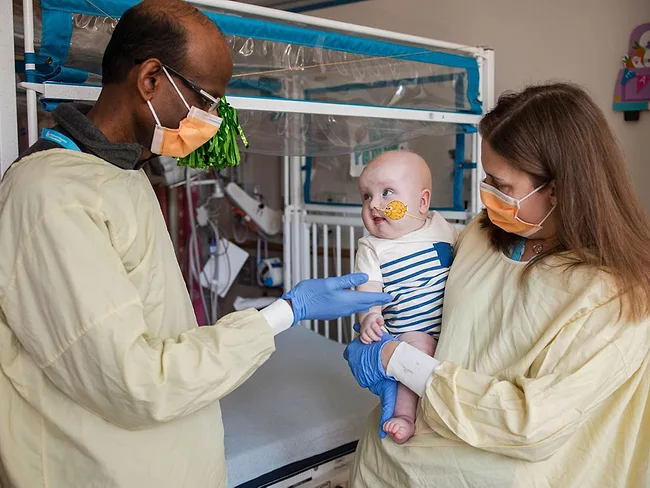
The Advanced Research Projects Agency for Health (ARPA-H), an agency within the U.S. Department of Health and Human Services, has announced the teams for the THRIVE (Treating Hereditary Rare diseases with In Vivo prEcision genetic medicines) program. With a commitment of up to $160 million over 5 years, THRIVE aims to accelerate solutions for rare genetic pediatric diseases across multiple technological approaches, clinical trial designs and deployment models.
The U.S. FDA rolled out its anticipated “plausible mechanism” draft guidance, enabling ultrarare disease drug developers to generate evidence of effectiveness and safety to support approval when randomized controlled trials are not possible due to small patient populations.
The good news is that the U.S. Congress is on track to pass a slate of fiscal 2026 spending bills before the current continuing resolution expires Jan. 30. So, barring any last-minute disputes or legislative hostage-taking, there should be no repeat of last year’s 43-day shutdown that impacted NIH grants and activities.
The newly released 2026 edition of Clarivate’s Drugs to Watch report highlights 11 potential blockbusters that could change treatment paradigms for patients.
Gene editing technologies are moving forward in preclinical development with innovative strategies designed to treat diseases at their root and even reverse them.
Gene editing technologies are moving forward in preclinical development with innovative strategies designed to treat diseases at their root and even reverse them. However, many approaches still struggle to reach target cells or tissues – either they fail to arrive, or their efficacy is low. In vivo therapies face numerous challenges, but despite these hurdles, 2025 has marked a year of remarkable progress.
Gene editing technologies are moving forward in preclinical development with innovative strategies designed to treat diseases at their root and even reverse them. However, many approaches still struggle to reach target cells or tissues – either they fail to arrive, or their efficacy is low. In vivo therapies face numerous challenges, but despite these hurdles, 2025 has marked a year of remarkable progress.
Recent comments from CDER Director George Tidmarsh suggesting that the agency may be backing away from the use of its independent expert panels for individual product approvals seem to be supported by the numbers.
Representatives of patients’ groups, industry bodies and venture philanthropy funders are calling for a renewal of the U.K. Rare Diseases Framework, to put fresh momentum behind translational research and clinical trials, streamline regulatory oversight and improve access to therapies.
The realignment within the U.S. FDA continued with reports of the removal of two high level executives. When asked by BioWorld if the Center for Biologics Evaluation and Research’s (CBER) Office of Therapeutic Products director and deputy director had been forced out and if so, why, an HHS spokesperson responded on background with a single sentence: “Center directors deserve to be supported by managers that are aligned with aggressive goals to expeditiously advance therapeutics for rare diseases using the gold standard of science.”