The House Select Committee on China launched an investigation into clinical trials involving U.S. companies that are conducted at Chinese military hospitals and in Xinjiang, China.
The House Select Committee on China launched an investigation into clinical trials involving U.S. companies that are conducted at Chinese military hospitals and in Xinjiang, China.
AI, data and wearable technologies are transforming health care, giving patients greater access to information about their health and enabling faster, more responsive clinical trials, Anthony Costello, CEO of Medidata Solutions Inc., told BioWorld. As more people use wearable devices to monitor their health, they are increasingly able to react to those insights, while pharmaceutical companies are gaining a clearer picture how patients respond to treatments during clinical trials.
With increasing competition from China and other countries, the U.S. Department of Health and Human Services is rolling out Operation Trailblazer, a department-wide strategy to once again make the U.S. the go-to destination for early stage drug development.
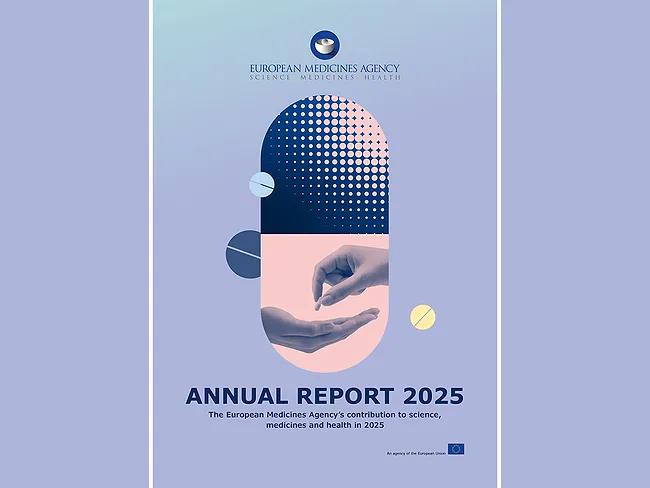
The EMA’s 2025 annual report highlights the pressure it is under to streamline and simplify assessment processes, and the expanded – and explicit – role the agency now has in boosting the competitive position of the EU in the development and manufacturing of drugs.
In 2025, China’s outbound life sciences and biopharma deals reached nearly $100 billion, about 12 times the level seen in 2021, underscoring how quickly global appetite for Chinese assets has accelerated, according to a recent report by L.E.K. Consulting.
China’s investigator-initiated trial (IIT) system is increasingly being used to generate early human data in cell and gene therapies, and new changes that widen the pathway are expected to drive more multinational companies to conduct IITs in China, panelists said during the Chinabio Partnering Forum in Shanghai April 28-29.
Taking advantage of new technologies to eliminate the lag time in reporting trial data to the U.S. FDA, the agency is moving toward a real-time clinical trial pilot program that will build on two proof-of-concept trials initiated by Amgen Inc. and Astrazeneca plc.
China’s investigator-initiated trial (IIT) system is increasingly being used to generate early human data in cell and gene therapies, and new changes that widen the pathway are expected to drive more multinational companies to conduct IITs in China, panelists said during the Chinabio Partnering Forum in Shanghai April 28-29.
New U.K. clinical trials regulations coming into force today, April 28, aim to reduce the time taken to get approval for studies and introduce a category of lower risk trials which will be automatically assessed in 14 days. The key measure to cut timelines is the Combined Review, under which sponsors will be able to submit a single application for regulatory review by the Medicines and Healthcare products Regulatory Agency and ethics review by the Health Research Authority, the body responsible for managing ethics committees.