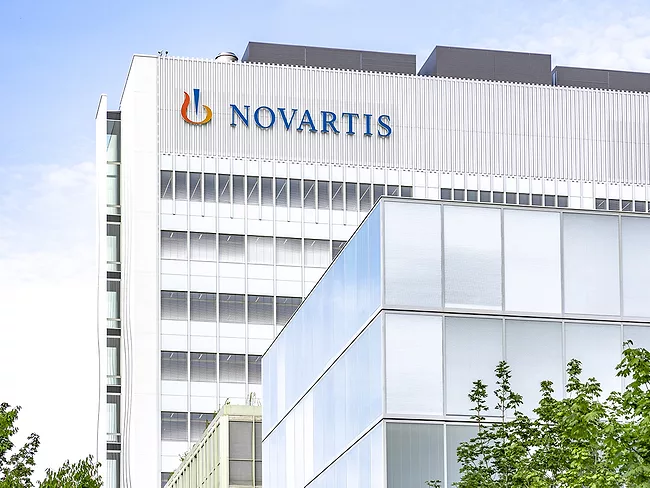
The $12.5 billion acquisition of Avidity Biosciences Inc. by Novartis AG strengthens the company’s neuroscience pipeline and marks the second biggest deal that’s been announced this year. It also is the fifth M&A deal in the past five weeks to top the $1 billion mark, a sign that the market may be strengthening.
While data on functional endpoints are still to come, Avidity Biosciences Inc. executives said the firm is moving ahead with plans for a BLA filing by the end of 2025 for del-zota, an antibody-oligonucleotide conjugate, in Duchenne muscular dystrophy with mutations amenable to exon 44 skipping (DMD44), based on positive top-line data that analysts say bode well for Avidity’s other late-stage programs targeting rare neuromuscular diseases.
Avidity Biosciences Inc. has announced two new precision cardiology development candidates targeting rare genetic cardiomyopathies. AOC-1086 targets phospholamban (PLN) cardiomyopathy and AOC-1072 targets protein kinase AMP-activated noncatalytic subunit γ2 (PRKAG2) syndrome.
Shares of Avidity Biosciences Inc. hit a 52-week high on reports of promising data from the first efficacy cohort of its phase I/II Fortitude study testing delpacibart braxlosiran (del-brax) in facioscapulohumeral muscular dystrophy (FSHD), including impressive biomarker results that could indicate a path for potential accelerated approval.
In a deal that could bring Avidity Biosciences Inc. $2.3 billion if all milestones are met, Bristol Myers Squibb Co. gained global rights to Avidity’s antibody oligonucleotide conjugates platform to advance up to five genetic cardiovascular targets. Avidity’s technology, which combines the specificity of monoclonal antibodies with the precision of oligonucleotide therapies, aims to address the root cause of diseases that are untreatable with current RNA therapeutics. Its lead internal programs are based on the targeted delivery of RNA into muscle.
Shares of Avidity Biosciences Inc. (NASDAQ:RNA) dropped 15% March 30 as the company disclosed details of the serious adverse event (SAE) that prompted a partial clinical hold in September 2023 on the phase I/II trial testing AOC-1001 in adults with myotonic dystrophy type 1 (DM1).
A preliminary assessment of Avidity Biosciences Inc.’s phase I/II study of AOC-1001 in myotonic dystrophy type 1 (DM1) showed the first-ever targeted delivery of RNA into muscle, an area previously untreatable with existing RNA therapeutics. Sarah Boyce, Avidity’s CEO, said in a Dec. 14 call that the antibody oligonucleotide conjugate’s data were unprecedented in the RNA space and in myotonic dystrophy type 1 (DM1), labeling it a “revolutionary advancement.”
A serious adverse event (SAE) in one participant has led the U.S. FDA to place a partial clinical hold on Avidity Biosciences Inc.’s lead program. The action is centered on the phase I/II Marina study of AOC-1001, an antibody oligonucleotide conjugate for treating myotonic dystrophy type 1, the most common form of muscular dystrophy in adults.
Avidity Biosciences Inc. CEO Sarah Boyce told BioWorld it's "a little too soon" to say when the company's lead program in myotonic dystrophy type I might reach the clinic, but the firm's $100 million series C financing will help with that effort and the portfolio in rare muscle diseases, as the antibody-oligonucleotide conjugate (AOC) platform undergoes further development.