The International Medical Device Regulators Forum (IMDRF) has issued a draft guidance for predetermined change control plans for software as a medical device. The problem for advocates of regulatory harmonization is that the IMDRF draft overlaps awkwardly with the FDA’s approach, which has issued separate policies for the AI subset of device software functions and a separate guidance for all other devices, including non-AI software.
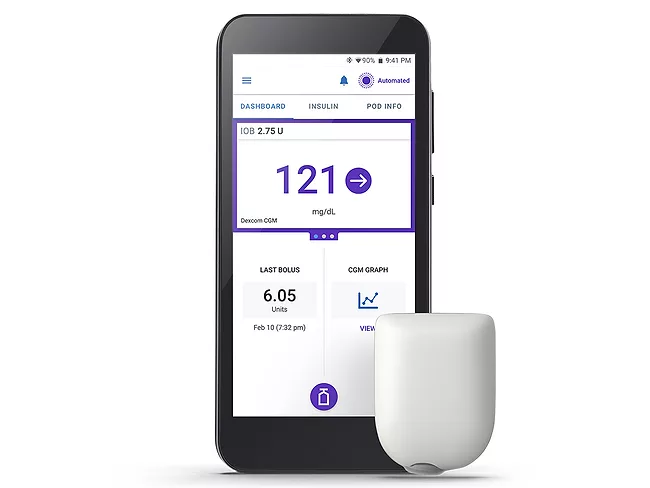
A spate of year-end collaborations highlights growing enthusiasm for expanding use of automated insulin delivery devices or pumps in management of type 1 diabetes only to include many patients with type 2 diabetes. Beneficiaries include pump makers Tandem Diabetes Care Inc., Insulet Corp. and Medtronic plc as well as the leaders in the continuous glucose monitoring market, Abbott Laboratories and Dexcom Inc.
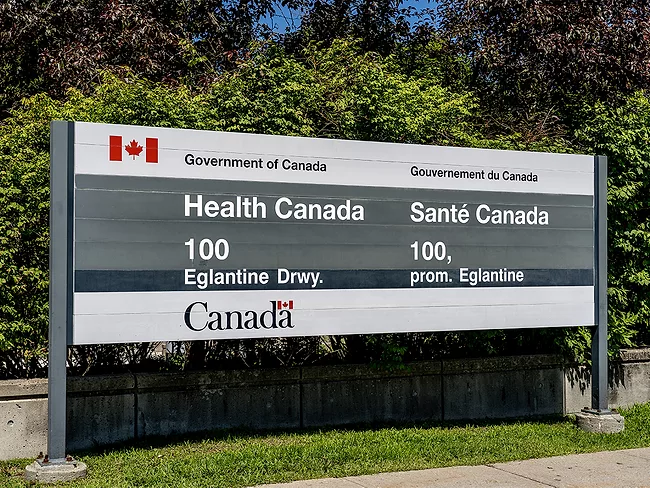
The U.S. FDA and Health Canada announced that they will roll out a pilot program that allows a medical device manufacturer to submit a medical device application to both agencies simultaneously for class II and class III medical devices.
Health Canada approved a device which Wayne, Pa.-based Teleflex Inc. described as the first commercially available biomechanical vascular device designed to close large holes in the femoral artery during endovascular catheterization procedures.
Links to electronic information may become a more common feature in Canadian prescription drug labeling, but electronic labeling is not expected to replace paper labels anytime soon.
New drug and device regulations going into effect in Canada are serving as a reminder of the extended life of the COVID-19 pandemic. After two years of interim orders regulating the importation and sale of drugs and devices for COVID-19 clinical trials and the conduct of those trials, Canada is issuing long-term regulations that will incorporate most of the provisions of the temporary orders.
Even as the Biden administration pushes for drug imports from Canada as a way to help curb U.S. prescription drug prices, Canada is doubling down on its efforts to protect its supply of drugs and medical devices.
For the first time ever, Canada will be granting patent term adjustments beginning in January. That’s welcome news for the biopharmaceutical and med-tech industries, and it’s long overdue, Jeffrey Morton, a partner at Snell & Wilmer LLP, told BioWorld.
Health Canada is proposing amendments to the Food and Drugs Act that would provide greater oversight of the manufacture of drugs for export. Currently, facilities that manufacture or prepare drugs in Canada for use outside the country are not required to obtain a drug establishment license or to follow Canadian requirements for good manufacturing practices, and they are exempt from fees.