Memorial Hospital for Cancer and Allied Diseases and the Memorial Sloan Kettering Cancer Center have disclosed 4-aminoquinoline inhibitors of the autophagy-lysosomal pathway (ALP) intended for the treatment of pancreatic ductal adenocarcinoma.
An Anglo-American team of researchers has devised a new computational method for quantifying Epstein-Barr virus (EBV) directly from human genome sequences and used this to identify 22 genes that link higher levels of the virus to a range of chronic diseases. The new method sets the scene for further exploration of biobank DNA sequence data to gain greater understanding of the nature and the role of the human virome, the 10(13) – largely unstudied – viral particles that coexist in humans.
Cancer cells expand through mutations – but not just through mutations. They also change their behavior in the absence of underlying genetic alterations. Such plasticity helps the cells both adapt to the cellular stress fueled by out-of-control growth and resist targeted and chemotherapies alike. Investigators from Memorial Sloan Kettering Cancer Center and Huazhong Agricultural University have gained new insights into the underlying mechanisms of plasticity.
Cancer cells expand through mutations – but not just through mutations. They also change their behavior in the absence of underlying genetic alterations. Such plasticity helps the cells both adapt to the cellular stress fueled by out-of-control growth and resist targeted and chemotherapies alike. Investigators from Memorial Sloan Kettering Cancer Center and Huazhong Agricultural University have gained new insights into the underlying mechanisms of plasticity.
Cancer cells expand through mutations – but not just through mutations. They also change their behavior in the absence of underlying genetic alterations. Such plasticity helps the cells both adapt to the cellular stress fueled by out-of-control growth and resist targeted and chemotherapies alike. Investigators from Memorial Sloan Kettering Cancer Center and Huazhong Agricultural University have gained new insights into the underlying mechanisms of plasticity.
Bacteria also defend themselves against pathogen attacks using mechanisms like those of the immune system. But if there is a system to repel an attack, it can also be dismantled. Scientists at the University of Southampton have described the components of Kiwa, a protein complex that blocks the entry of phage DNA, which are viruses that infect bacteria. They have also uncovered how Kiwa interacts with other bacterial defense strategies.
Stem cell implantation is a step closer to becoming the next strategy against Parkinson's disease. Two clinical trials, one in phase I and the other in phase I/II, have demonstrated their safety and potential to restore dopamine production in the brains of patients with this currently incurable neurodegenerative condition. The number of participants in the study is still small, and further research is needed to demonstrate the clinical benefits of these cell therapies.
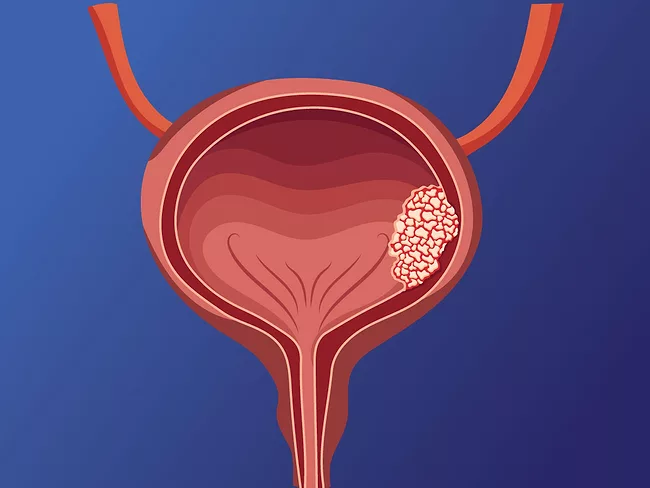
Evolveimmune Therapeutics Inc. has announced a translational research collaboration with Memorial Sloan Kettering Cancer Center (MSK) to investigate the expression of a new tumor target – UL binding protein 2 (ULBP2) – in muscle-invasive bladder cancer.
Memorial Hospital for Cancer and Allied Diseases and Memorial Sloan Kettering Cancer Center have jointly developed new nonsteroid selective androgen receptor modulators (SARMs) and radiolabeled compounds reported to be useful for the diagnosis and treatment of cancer.
Researchers from Memorial Sloan Kettering Cancer Center and affiliated organizations revealed findings from the preclinical evaluation of 1H5, a novel monoclonal antibody (mAb) candidate that inhibits the NOTCH signaling pathway and is being developed for the treatment of high-grade gliomas (HGGs).