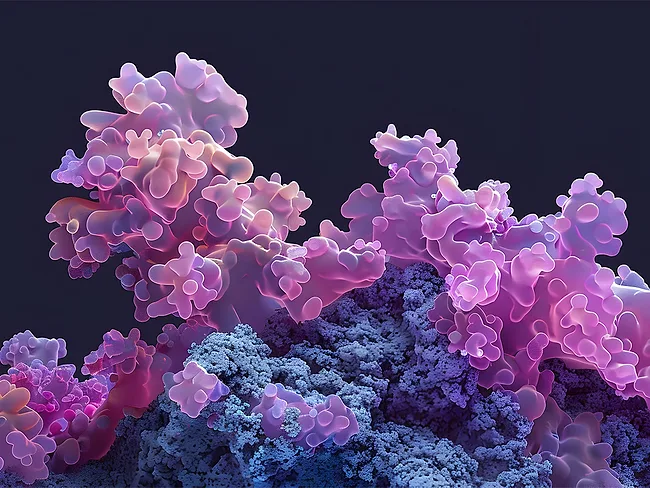
Some proteins embedded in the structure of prions may have antimicrobial activity, according to a study led by scientists at the University of Pennsylvania. An AI analysis of millions of fragments from prion-related proteins has revealed more than a thousand peptides that disrupt bacterial membranes and reduce infection in animal models, suggesting these proteins could be an unexpected source of new antibiotics.
Animate Biosciences Inc. has released promising preclinical results from a mouse model of pulmonary fibrosis demonstrating that two of its AI-designed therapeutic peptides significantly reduced lung fibrosis and inflammation.
Animate Biosciences Inc. has released new preclinical results demonstrating that AI-designed peptides generated by its Animateiq discovery platform significantly reduced hallmark inflammation and fibrosis signals across multiple human cell types, including skin, lung, heart and liver.
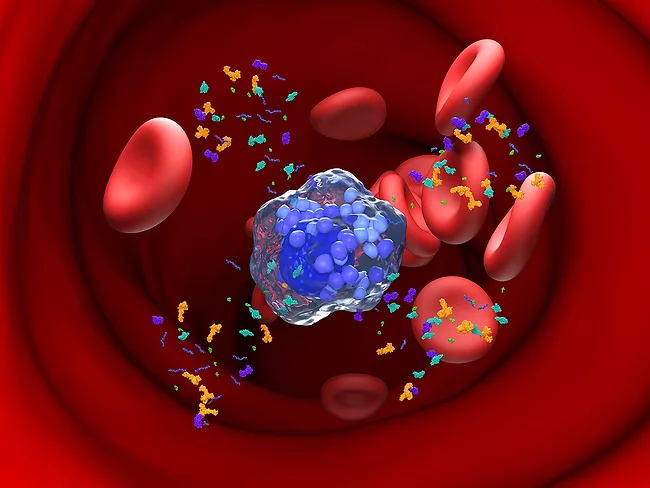
A peptide with a dual mechanism of action – it dissolves the bacterial membrane and activates the immune system – could be an effective weapon against microorganisms that have evolved ways to evade antibiotics, as superbugs do. Scientists at the University of Pennsylvania (UPenn) have designed stable synthetic peptides that activate mast cell receptors, which are cells involved in the innate and adaptive immune response. This dual approach eliminates bacteria and recruits neutrophils to finish the job.
Gemvax & Kael Co. Ltd. has identified peptides reported to be useful for the treatment of age-related macular degeneration (AMD), cerebral amyloid angiopathy and Alzheimer’s disease.
Caregen Co. Ltd. has identified peptides reported to be useful for the treatment of cartilage injury, fracture, intervertebral disc herniation, degenerative intervertebral disc disorder, osteoarthritis, osteomalacia and muscular injury.
Caregen Co. Ltd. has described peptides reported to be useful for the treatment of cartilage injury, fracture, intervertebral disc herniation, degenerative intervertebral disc disorder, osteoarthritis, osteomalacia and muscular injury.